27th edition
TROPHÉE BAILLI DE SUFFREN
18 June - 2 July 2026
A Timeless Odyssey Across the Mediterranean
Ah, the Trophée Bailli de Suffren, a Jewel in the Crown of Classic Yacht Racing!
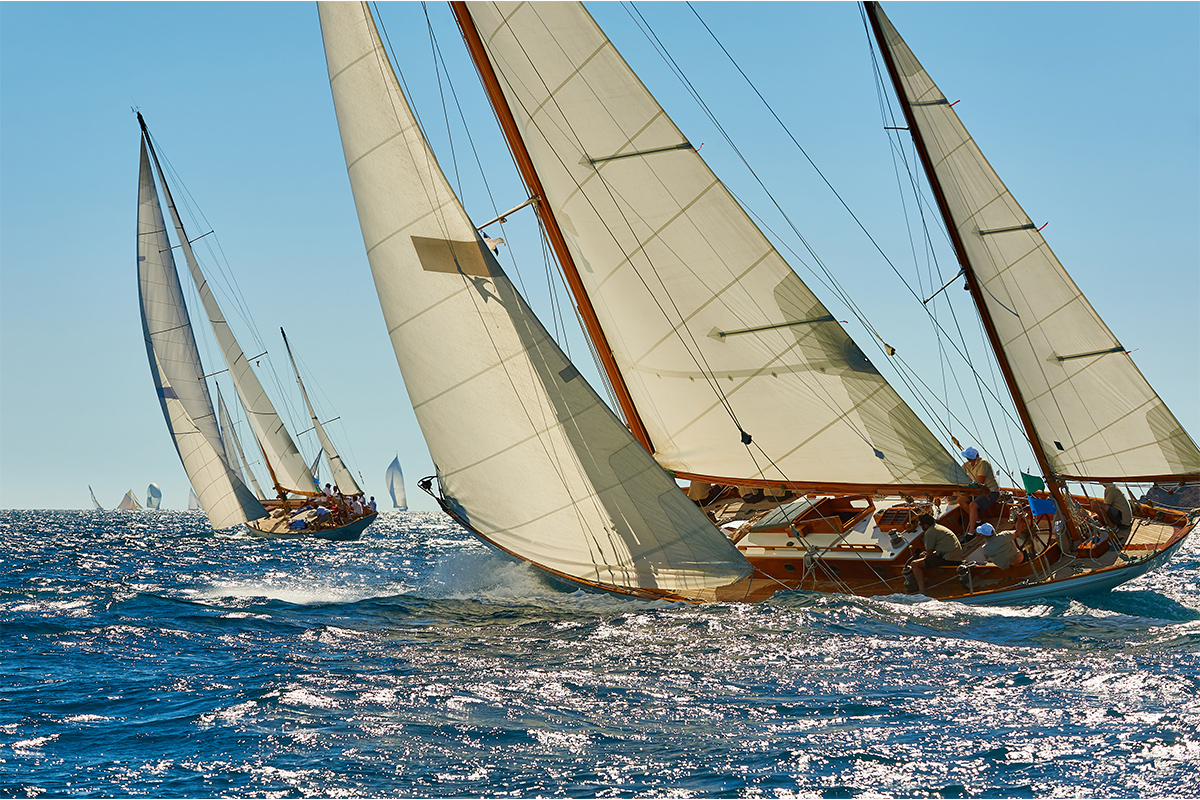
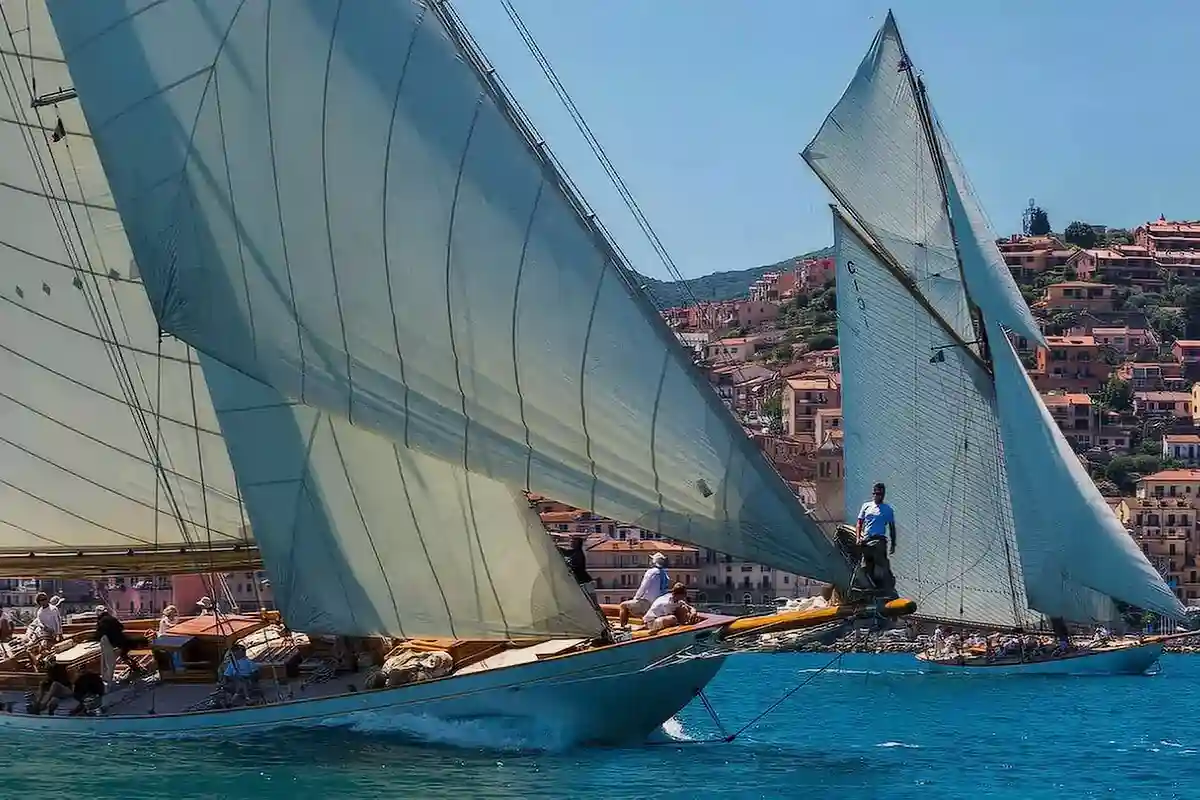
In the world of sailing, few events capture the essence of tradition and adventure like the Trophée Bailli de Suffren. Named after the revered 18th-century French Admiral Bailli de Suffren, this regatta weaves a rich tapestry of history with every nautical mile.
Participants in the Bailli de Suffren find themselves retracing the routes of ancient mariners. From the glamorous shores of Saint-Tropez to the rugged coastlines of Sardinia and onwards to the historic ports of Bizerte and Malta, each leg of the regatta celebrates the Mediterranean’s unparalleled beauty.
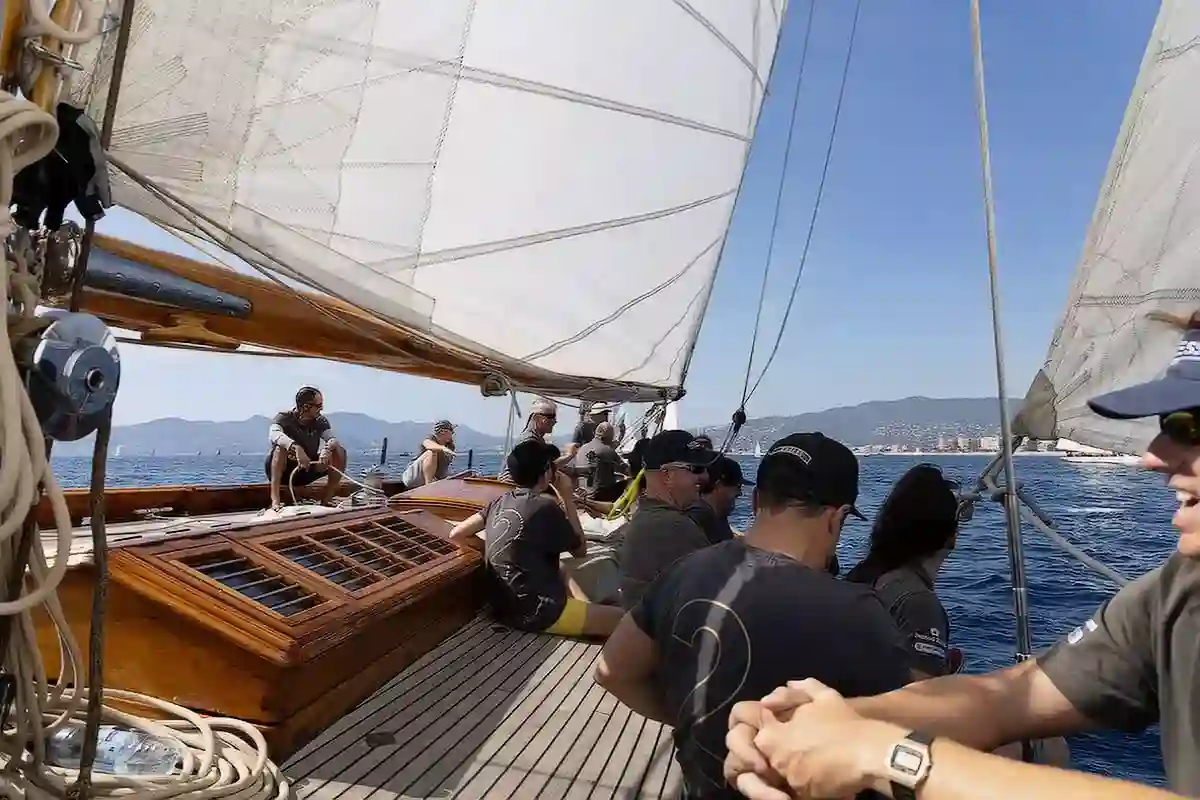
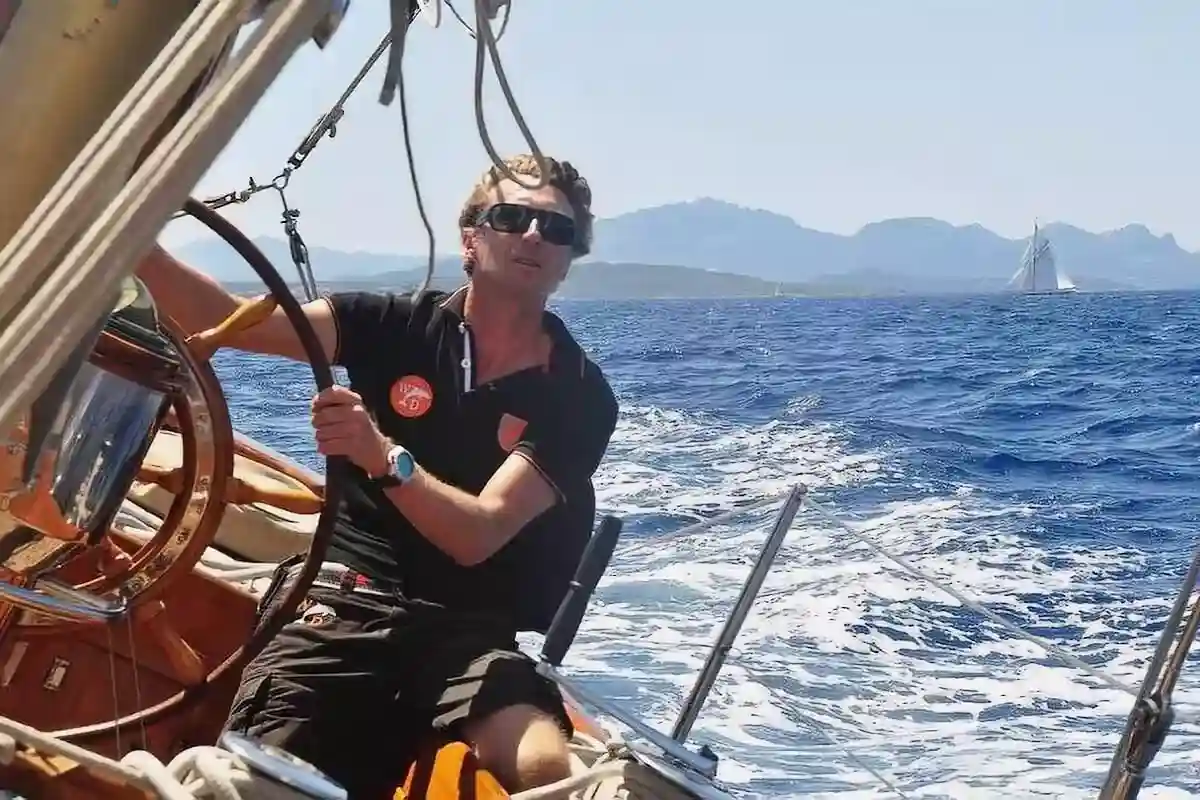
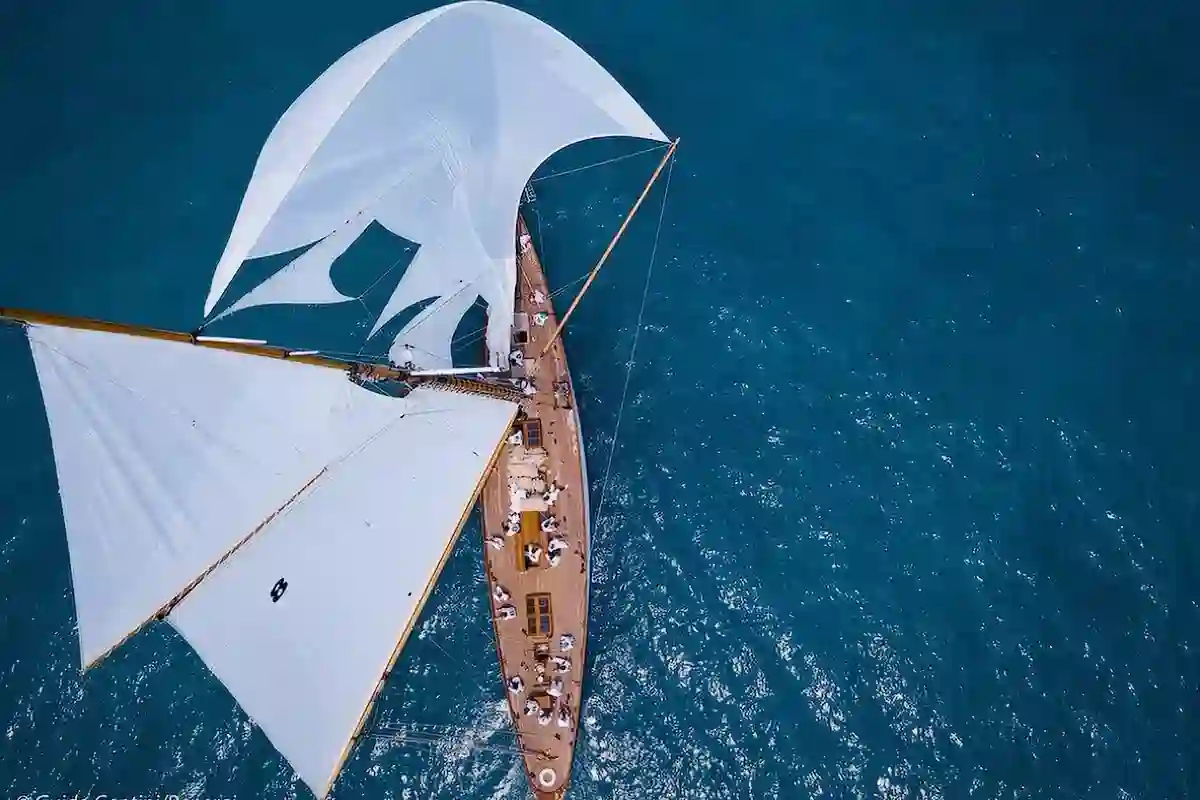
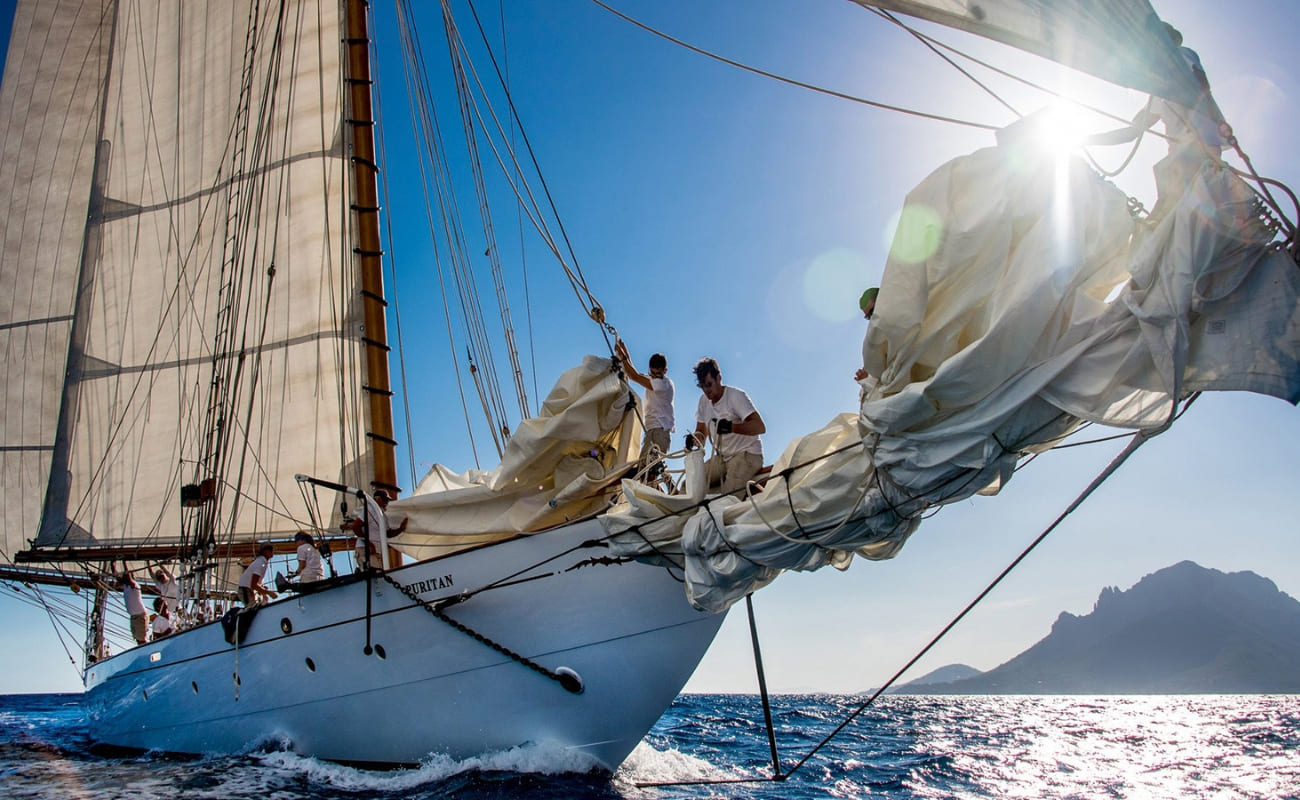
The journey through the regatta is also a cultural odyssey. Every port of call offers a chance to immerse oneself in the rich tapestry of Mediterranean culture, history, and cuisine. However, the true essence of the Trophée Bailli de Suffren lies in the spirit of its participants – a fraternity of sailors bound by their love for the sea, the wind, and the timeless beauty of their vessels. Onboard, skill, teamwork, and the thrill of the race merge with moments of serene connection to the vast, blue expanse.
A Brief Overview: What Is the Trophée Bailli de Suffren?
The Trophée Bailli de Suffren, a prestigious sailing event, originated as a tribute to Pierre André de Suffren, also known as the Bailli de Suffren. He was a celebrated 18th-century French naval commander and a Knight of Malta, renowned for his bravery and strategic prowess in naval battles during the American Revolutionary War and the Anglo-French War.
The regatta was conceived to honour his legacy and maritime heritage, blending the spirit of traditional sailing with the celebration of Mediterranean history and culture. It retraces a route reminiscent of the historic sea voyages that Suffren would have undertaken, connecting iconic Mediterranean ports and showcasing the beauty and challenges of sea navigation in the style of bygone eras. The event emphasizes the values of seamanship, skill, and the timeless traditions of the sea, all of which are intrinsic to the legacy of the Bailli de Suffren.
Do I need sailing experience to join a regatta event?
Not at all. Our professional crew will handle all the technical aspects and show you the ropes if you’d like to get involved. There’s no pressure – you can be hands-on or just enjoy the thrill of the race from a comfortable spot on deck. It’s about the experience, not expertise.
How Much Does It Cost to Participate in the Trophée Bailli de Suffren?
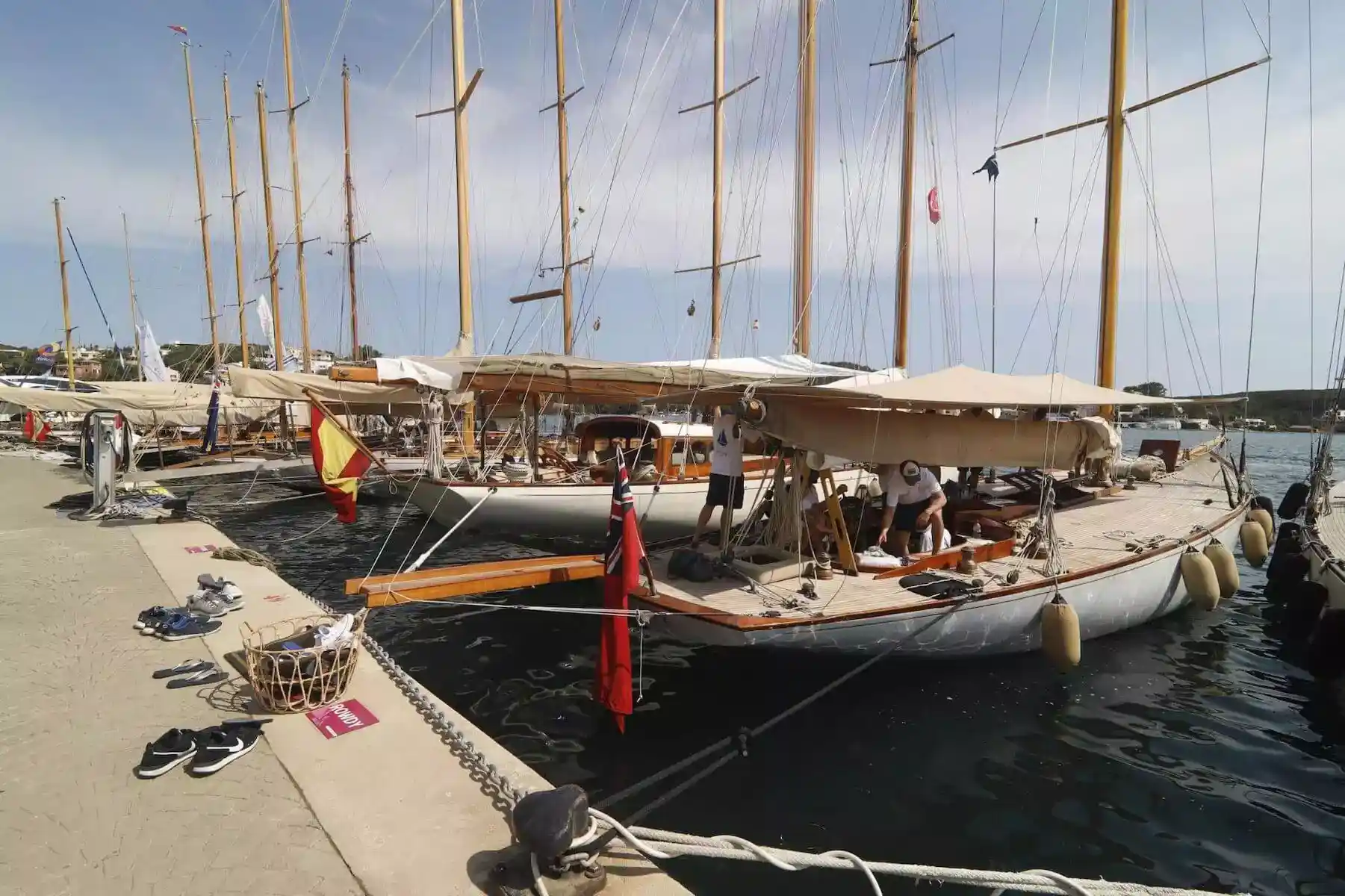
Charter a Piece of Sailing History: Yacht ORIANDA from 1937. Find out more –> Orianda: A Timeless Icon of Maritime Elegance
Secure an exclusive charter of Orianda, the 1937 classic yacht, for a once-in-a-lifetime participation in one of the world’s most iconic regattas. This is not just a charter; it’s a journey into the rich maritime heritage, offering you a truly unforgettable experience.
Yacht Orianda exclusive for the whole event: Please Inquire
Please note, the charter cost will have VAT added. Looking for a unique team-building event? Chartering Orianda could offer tax advantages, including a VAT refund. We recommend consulting your tax advisor for detailed advice on this opportunity.
The charter costs are complemented by the Advanced Provisioning Allowance (APA). This comprehensive fee covers all crew-related expenses, insurance, regatta registration fees, fuel, port dues, and onboard food and beverages. Please be aware that any personal expenses incurred on land – such as meals, drinks, excursions, and activities outside the event programme – are not included in the charter or APA costs and will be your responsibility.
Discover the Surroundings
a royal yacht
ORIANDA
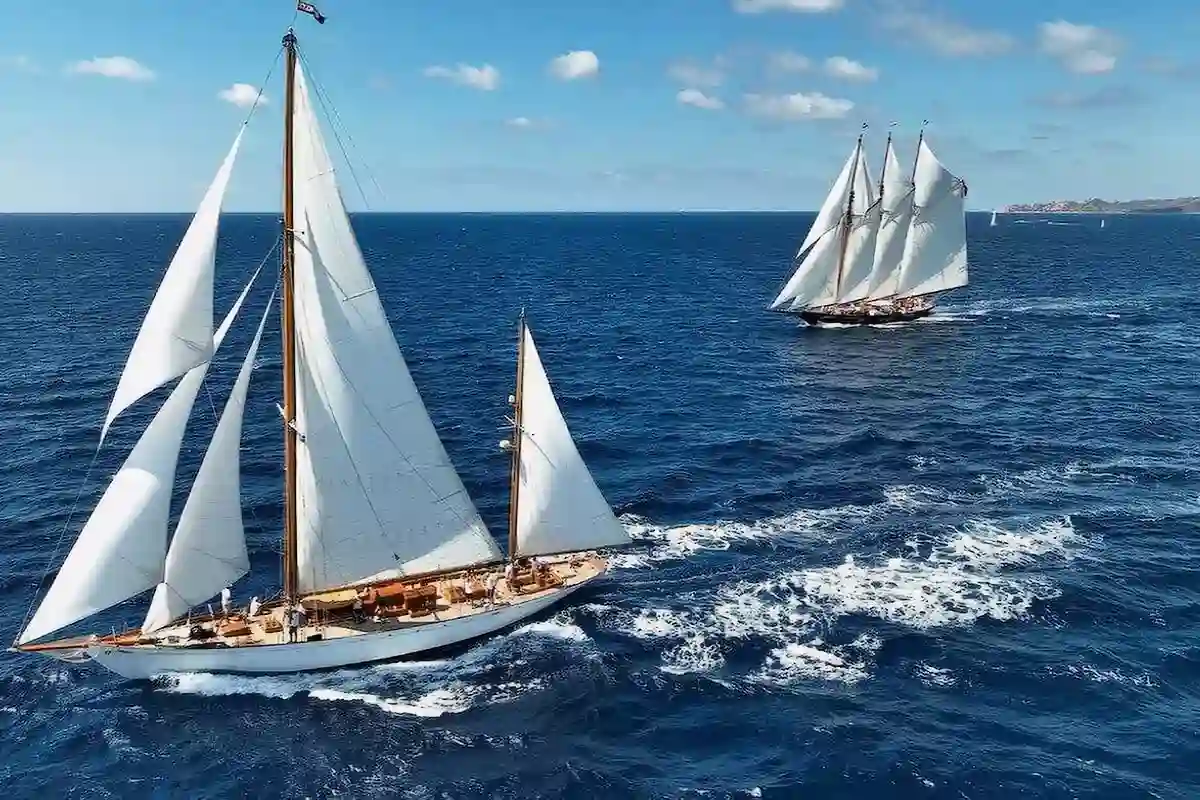
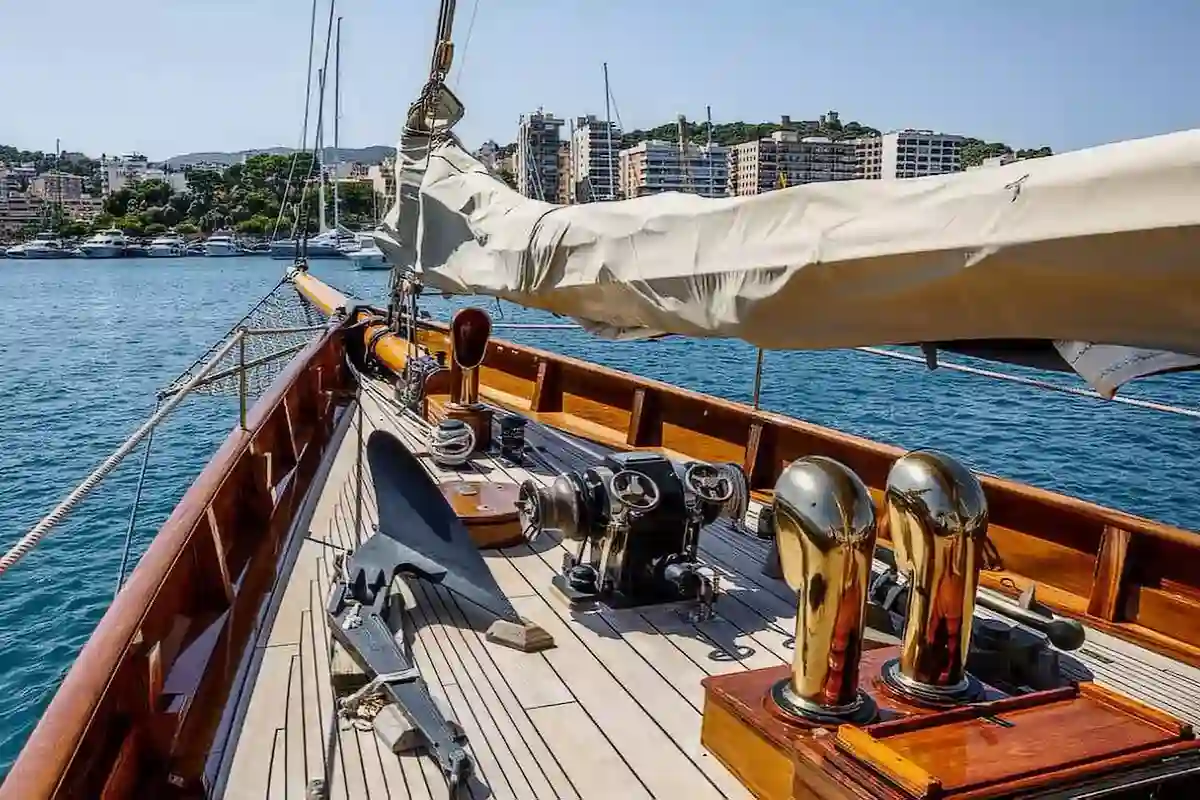
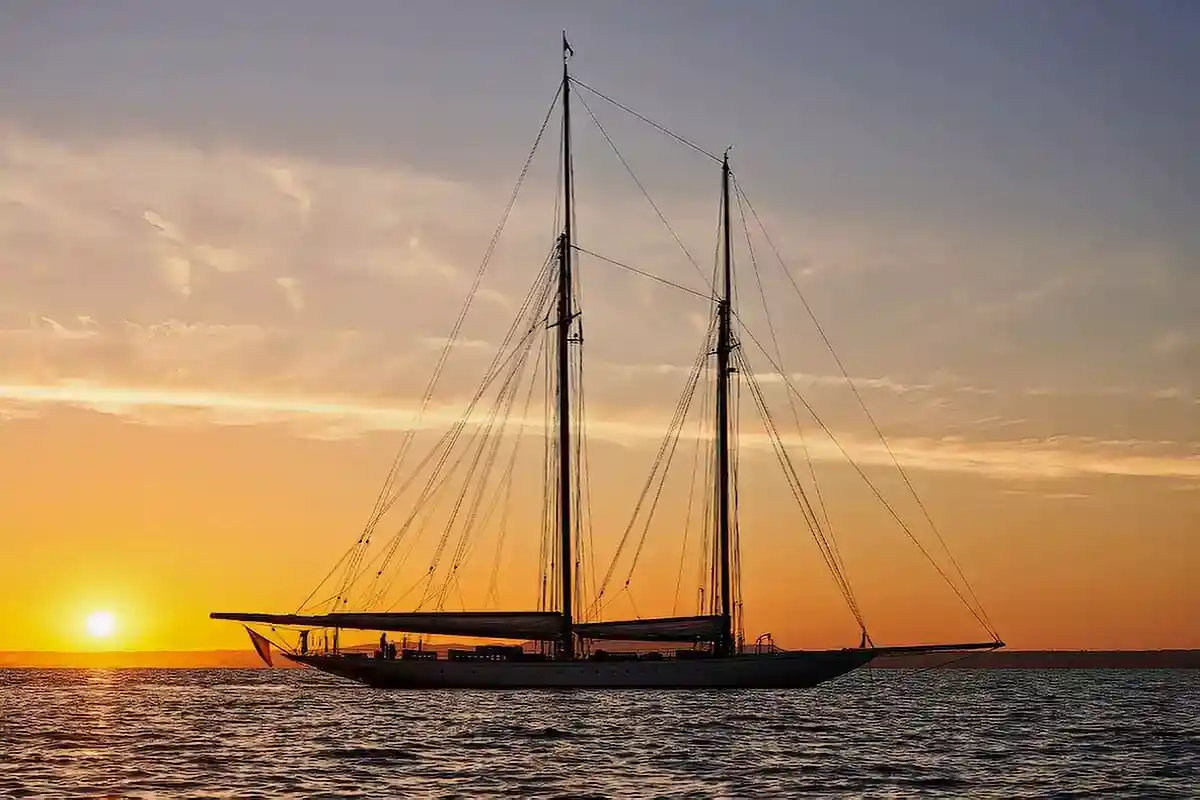
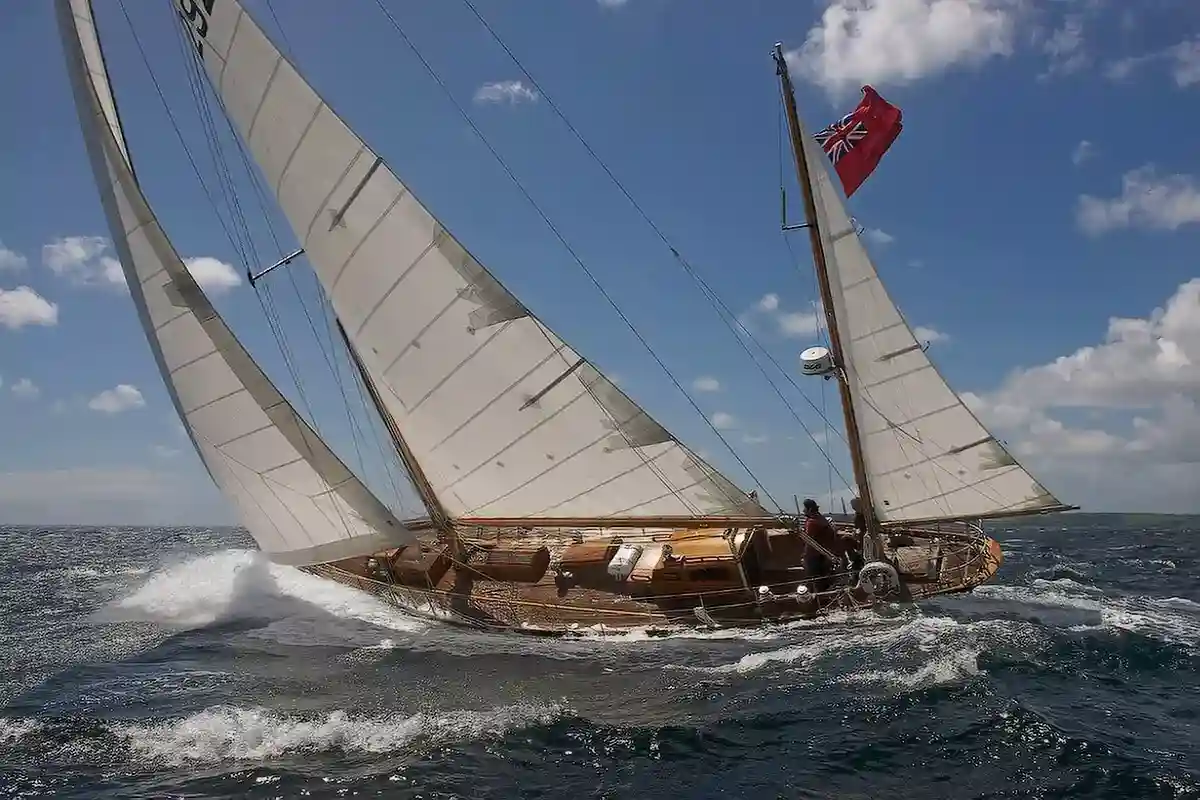
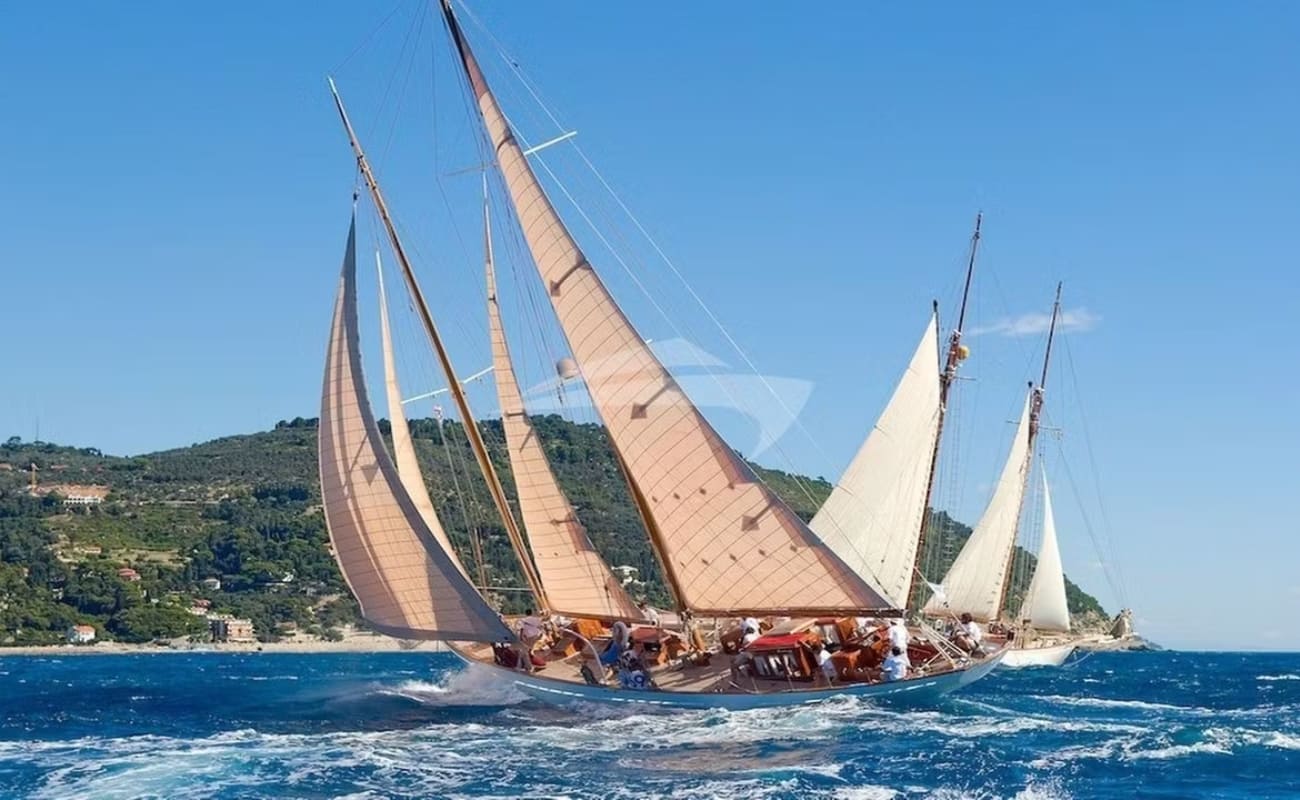
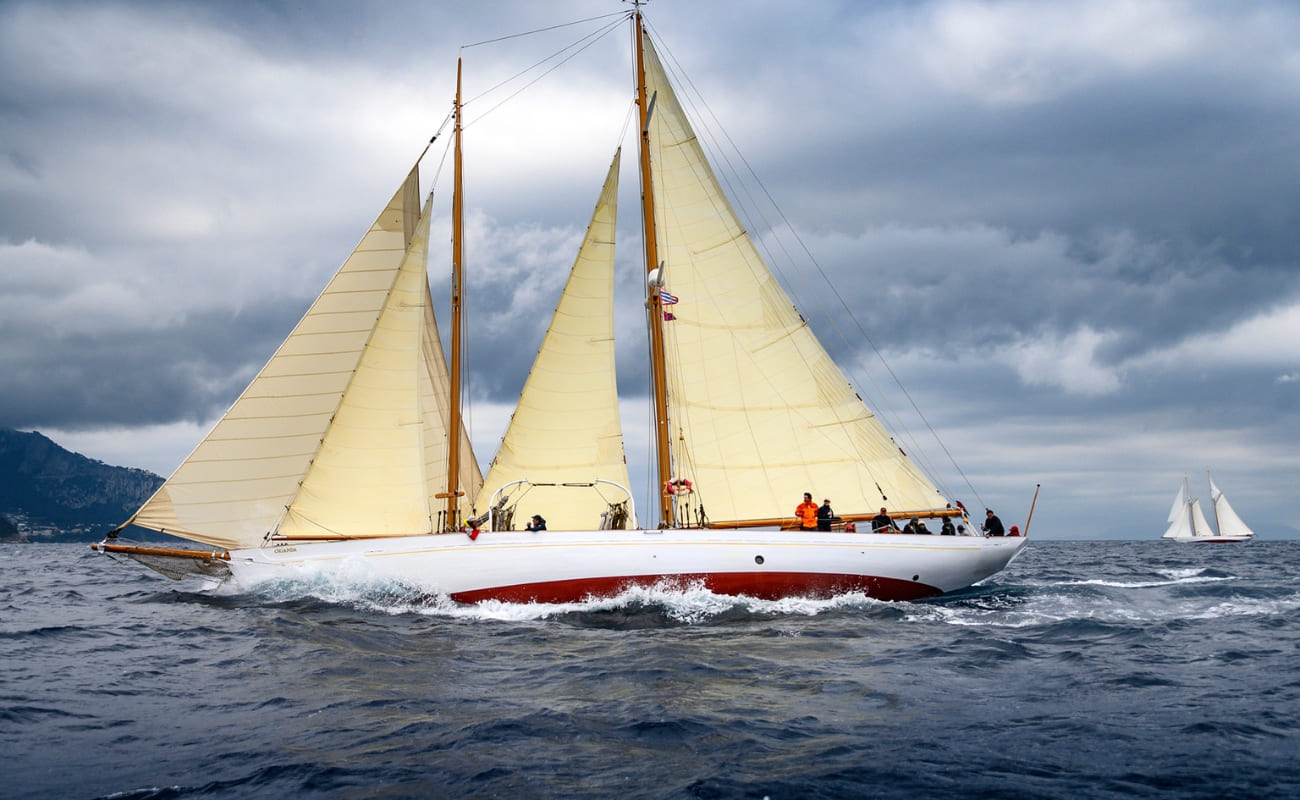
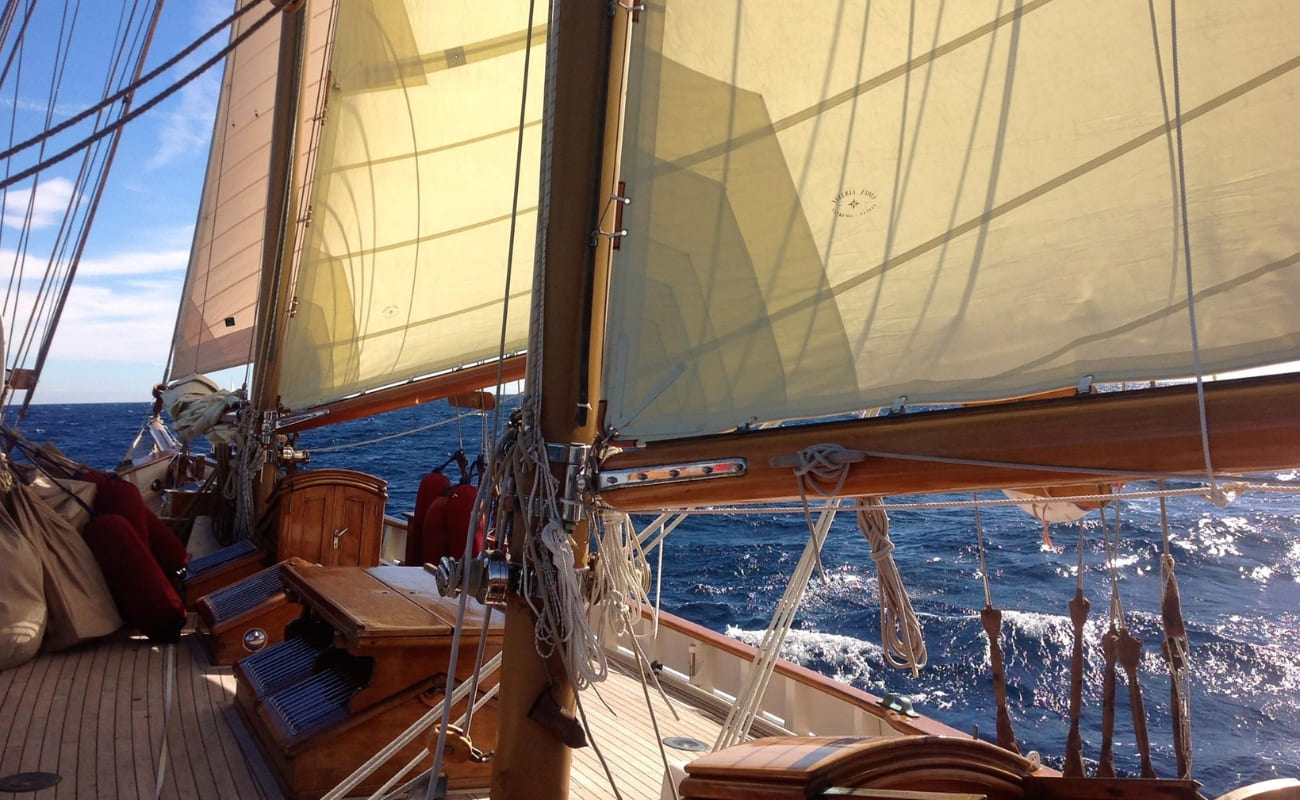
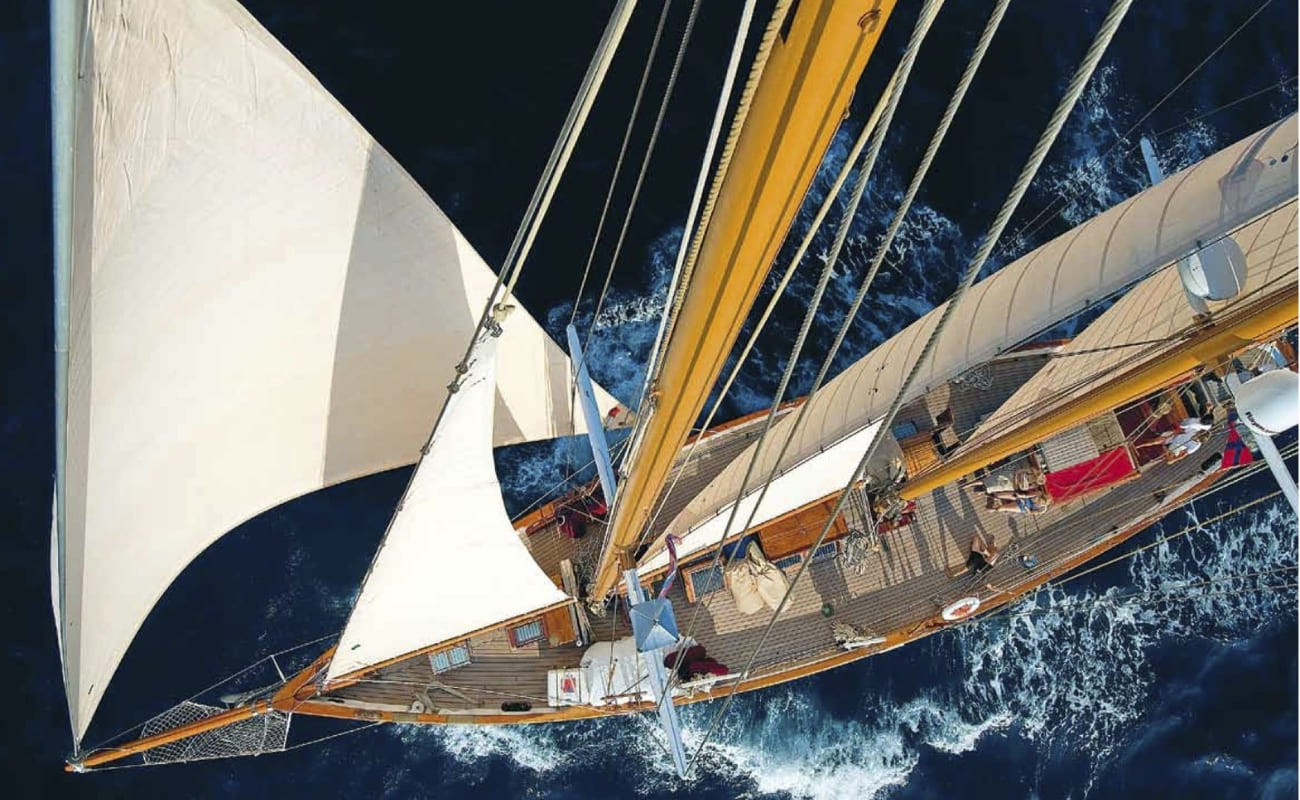
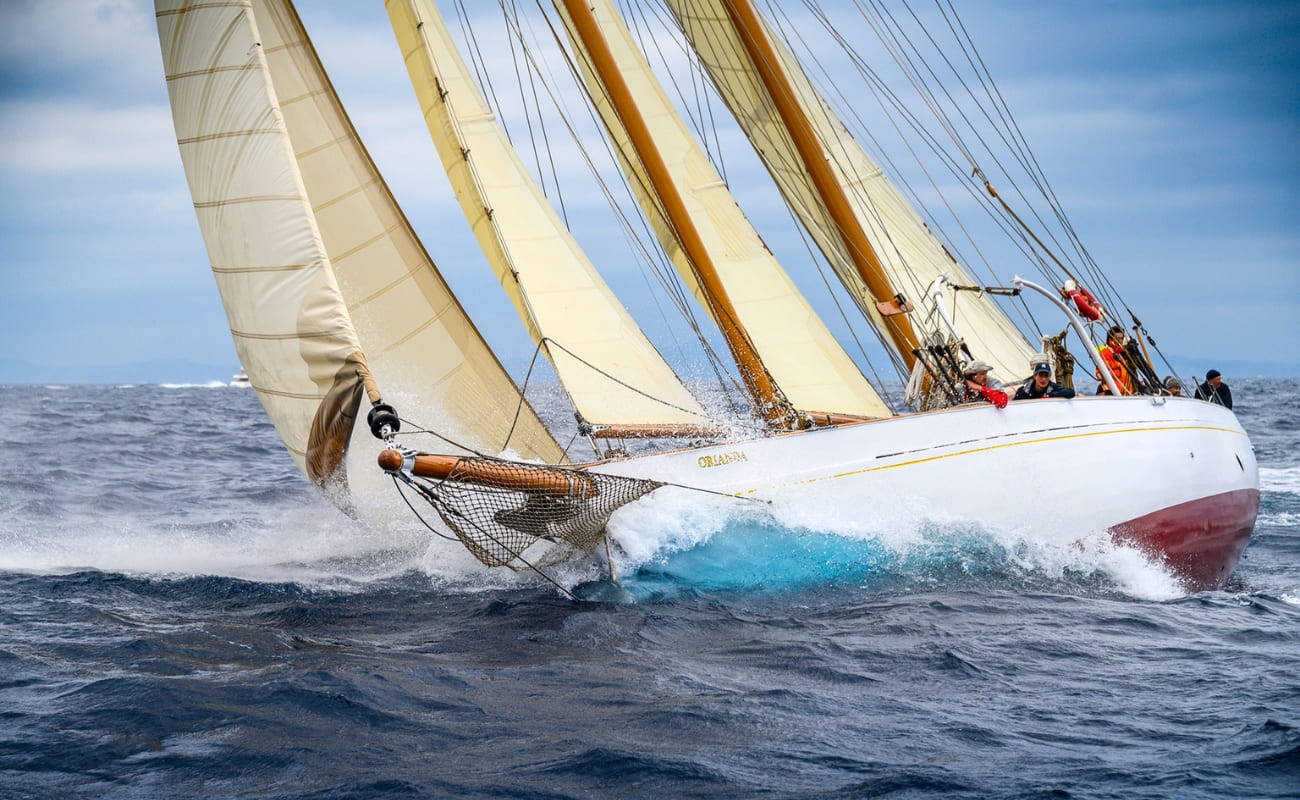
The 1937 sailing yacht Oriana stands as a remarkable symbol of nautical history, a vessel that has weathered the passage of time with elegance and resilience. Crafted in an era when sailing was as much an art as it was a mode of travel, Oriana encapsulates the grace of the past while continuing to inspire sailors and dreamers today.
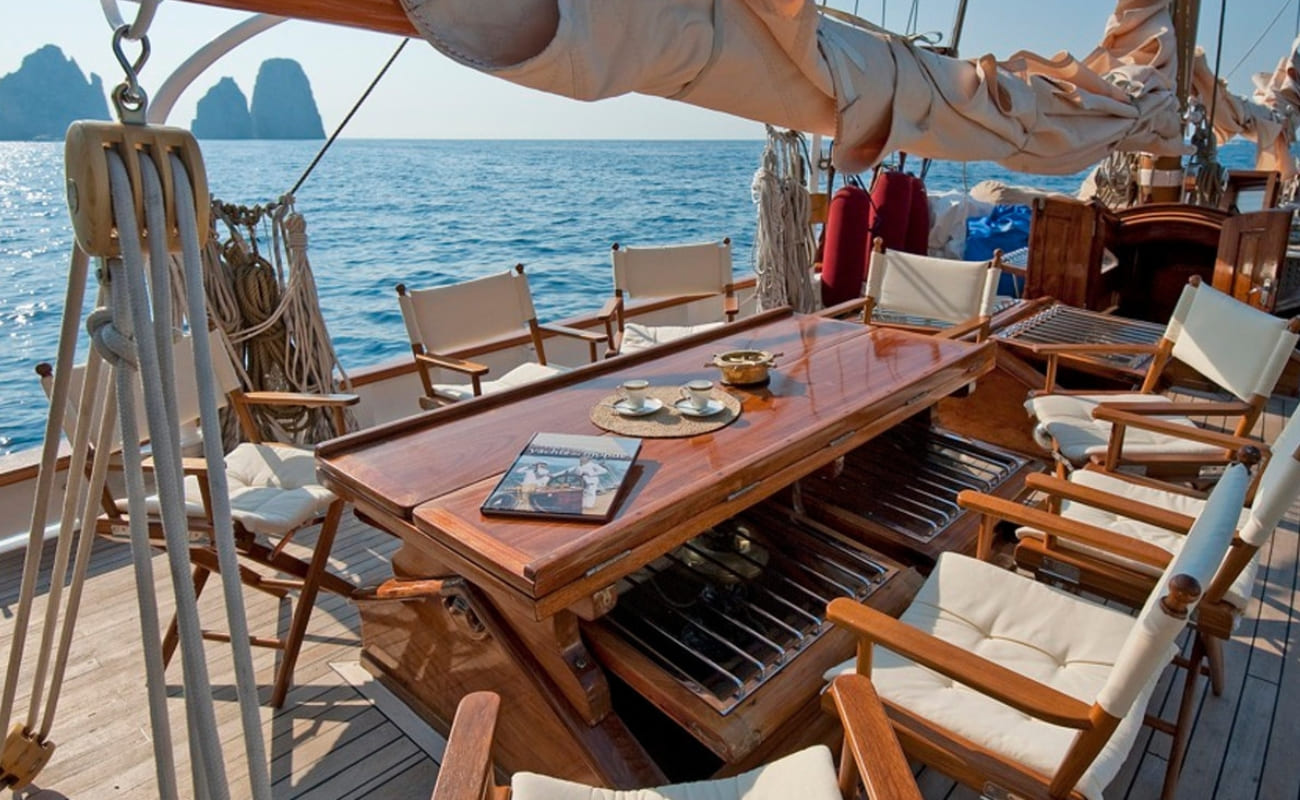
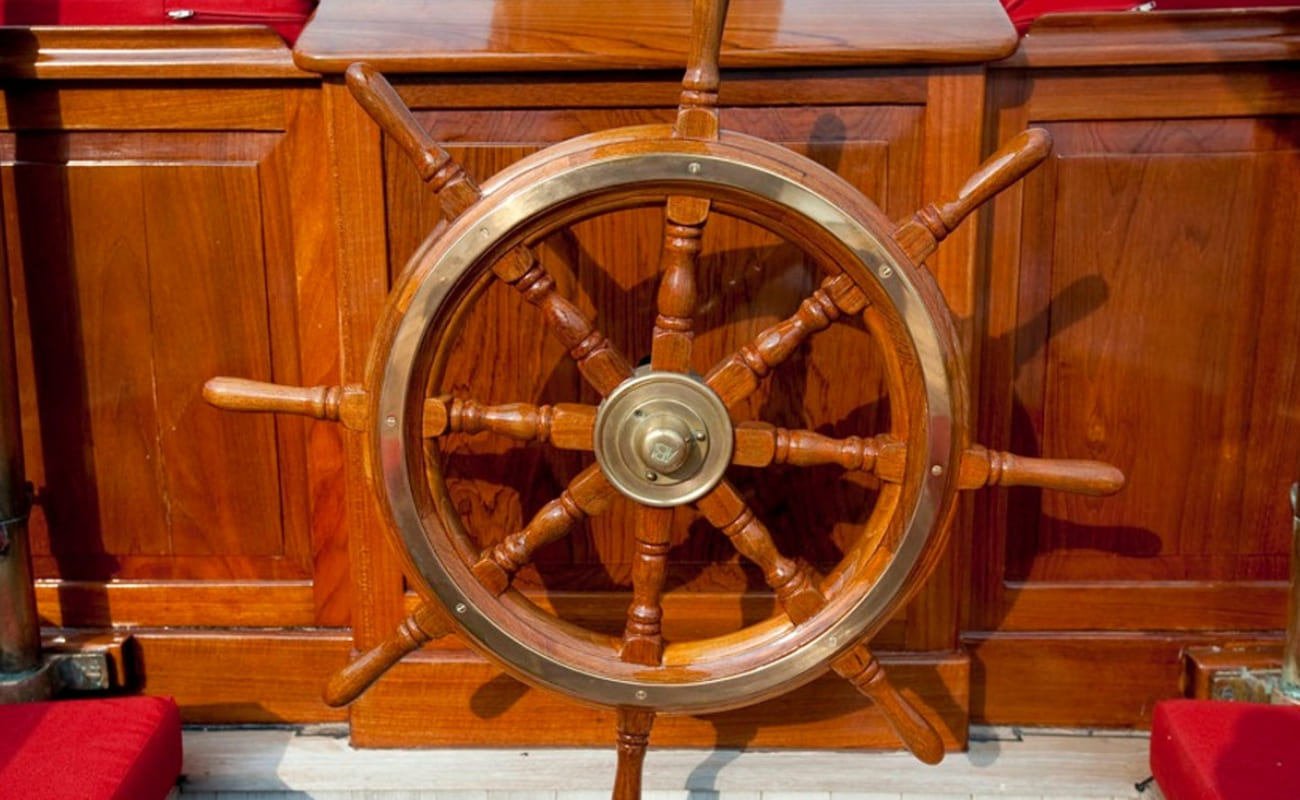
With her classic lines and timeless design, Oriana is not just a yacht but a floating work of art. Every curve of her hull, every detail of her rigging, and the countless footsteps on her teak decks speak to a time when boats were built to be both functional and beautiful. She is a reminder of an age when craftsmanship was revered, and the sea was a place of adventure and discovery.
Designed by Oscar W Dahlstrom, as an 85-foot (26-meter) staysail schooner for King Christian of Denmark, Oriana was was completed in 1938 by Carl Andersen’s shipyard in Faaborg, Denmark. Her sleek lines and balanced proportions testify to Dahlstrom’s design genius.
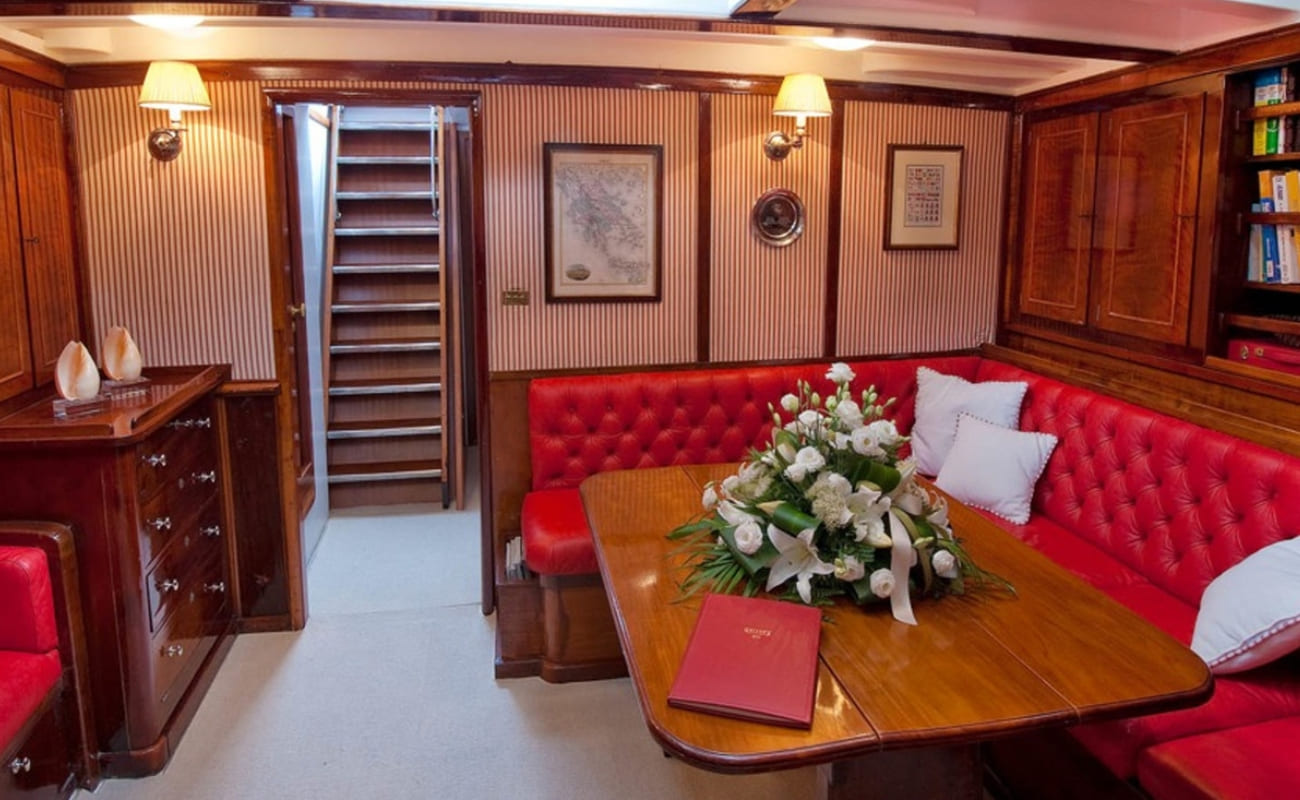
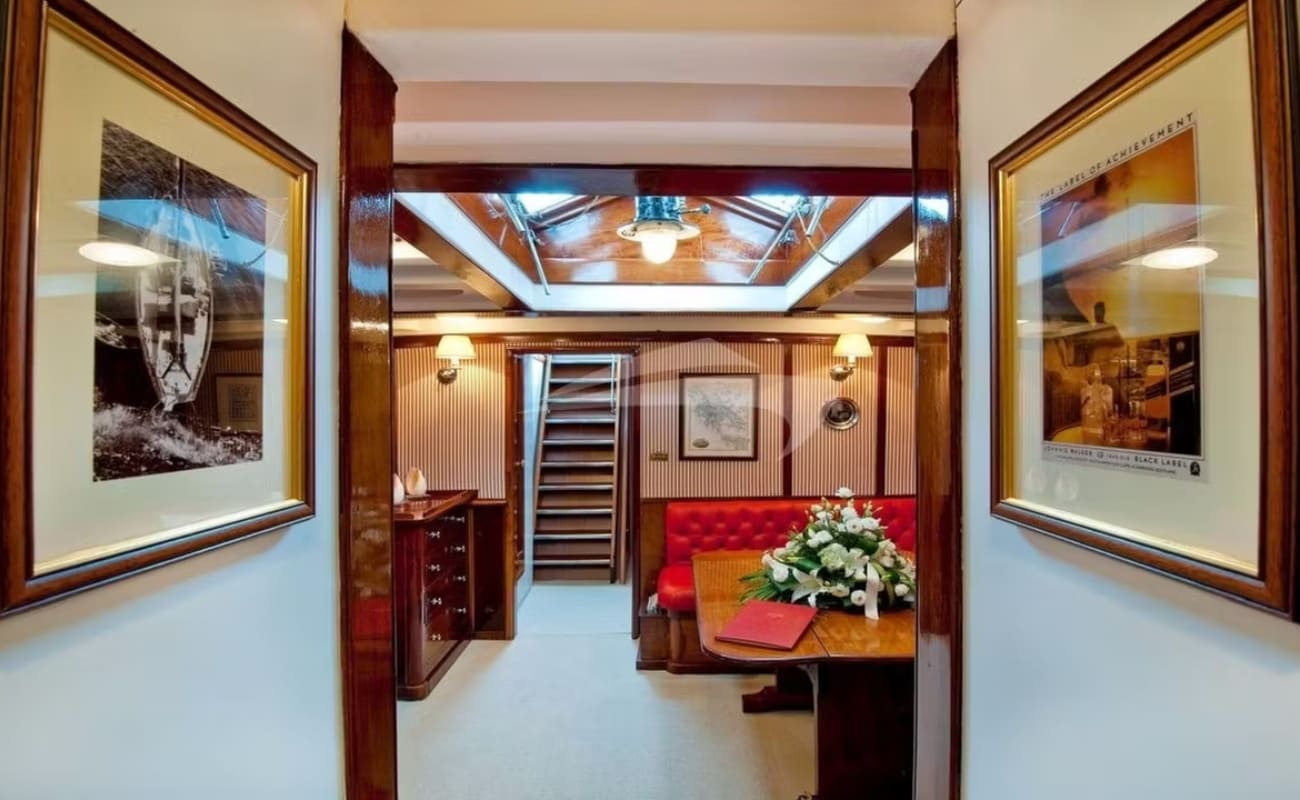
Oriana comfortably accommodates up to 8 guests in four beautifully appointed cabins, with a dedicated captain and crew ready to whisk you away on a sailing adventure in unparalleled elegance. She is also available for racing charters, including participation in prestigious events like the Voiles de Saint Tropez and other classic sailing yacht regattas.
Participants now have the opportunity to book their spots aboard ORIANDA for classic regattas in the Mediterranean with Noblesse Yachts®.
Sailing Heritage
14 days in pure excitement
Embark on a Journey Through Time and Sea: The Itinerary of the Trophée Bailli de Suffren
The Trophée Bailli de Suffren is a classic offshore sailing regatta that connects competition with maritime tradition. Following a historic route across the Mediterranean, the fleet sails from Saint-Tropez to Malta, linking ports, passages, and cultures shaped by centuries of seafaring.
This itinerary outlines the rhythm of the regatta day by day — from preparation and departure to offshore passages, landfalls, and final arrival. It traces a journey defined not only by distance, but by changing conditions at sea, shared routines on board, and moments of quiet ashore.
Rather than a fixed programme, the Trophée Bailli de Suffren unfolds as a continuous passage. What follows is a chronological account of the route, offering context to each stage of the voyage and the places that mark its course across the Mediterranean.
18 June, Arrival in Saint-Tropez
Thursday
18 June
Arrival in Saint-Tropez: A Journey Begins
Arrival in Saint-Tropez takes place over the course of the day. Guests reach the town via Nice Airport or by car. Transfers can be arranged on request. The harbour serves as the central meeting point. The yachts are already moored. Crews are on site and carrying out routine preparations.
First Impressions of Saint-Tropez
The remainder of the day is free. It allows time to arrive, to settle in, and to get a first impression of Saint-Tropez. Guests may explore the town at their own pace. The streets, the harbour, and the cafés reflect the character of the place. There is no official programme. The day is intended for orientation and a calm start to the week.
The Day at a Glance
- Seamless Arrival: Transfer from Nice Airport to Saint-Tropez, if required.
- Explore: Time to discover Saint-Tropez at your own pace.
- Relax and Enjoy: A calm start to the Bailli de Suffren.
19 June, Learning the Ropes
Friday
19 June
Morning Arrival at the Marina
At the marina, people arrive gradually. There is no fixed moment of arrival. The yachts are already alongside, crews moving between deck and quay. Boarding happens without urgency. Bags are stowed, greetings exchanged. A few final conversations take place ashore before attention turns to the yacht itself.
Under Sail
Once everyone is on board, the crew gathers the group for a short briefing. Safety and life on board are explained in clear terms. Outside the harbour, the sails are set. The first stretch under sail is unhurried. It allows time to observe, to listen, and to become familiar with the yacht and its rhythm.
Owners’ Dinner: An Evening with Friends
The day concludes with the Owners’ Dinner in Saint-Tropez. It is a chance to sit together, exchange impressions, and meet the people who will share the coming days at sea. The evening remains informal. It is a quiet end to the first full day on board.
The Day at a Glance
- Boarding at the marina and preparation on board
- First stretch under sail after a safety briefing
- Owners’ Dinner in Saint-Tropez
20 June, Start of the Offshore Passage
Saturday
20 June
At 08:30, skippers and crews gather at the SNST Club House for the daily briefing. Weather, course options, and safety considerations are reviewed. Bonifacio is set as the first destination of the Bailli de Suffren. The official ceremonies at 10:30 mark the start of the offshore leg.
Leaving the Coast Behind
At 12:30, the fleet leaves Saint-Tropez and heads south. Once clear of the coast, the yachts settle into offshore mode. The rhythm on board changes. Watches are organised, sails adjusted, and the first miles fall away steadily.
Through the Night
As daylight fades, the passage continues. The yachts move through the night, guided by instruments, experience, and the quiet routines of offshore sailing. The hours after sunset are unhurried and demanding in equal measure. Here, the Bailli de Suffren reveals its character — a long stretch at sea, with Bonifacio ahead.
A Day at a Glance
- Sailors gather at 08:30 AM for a crucial pre-race briefing
- By 12:30 PM, yachts head south, propelled by the Levante winds
- Overnight offshore passage towards Bonifacio, Corsica
Port of departure: Saint-Tropez
Port of arrival: Bonifacio (Corsica)
Total distance: ~ 188 nautical miles
Departure time: 12:30 pm (scheduled regatta start)
Estimated arrival time: early morning the next day
Estimated average speed: approx. 5–7 knots
21 - 22 June, Landfall in Bonifacio
Sunday & Monday
21 - 22 June
Landfall in Bonifacio
After the offshore passage, the yachts reach Bonifacio across Sunday and Monday. Arrival times differ from boat to boat, depending on weather and conditions encountered at sea. The transition from offshore sailing to harbour life happens gradually. Sails are secured, equipment is checked, and crews settle back into a slower pace alongside.
Time Ashore
No formal programme is planned during the harbour stay. The time in Bonifacio is deliberately unstructured. Crews use the pause to rest, recover, and attend to the yacht. Some remain close to the harbour, others take time ashore.
Closing the First Leg
This period marks the close of the first offshore leg. It allows space between passages, without formal events or obligations. Bonifacio serves as a natural pause in the rhythm of the regatta — a place to regroup before attention turns to the next stage.
A Day at a Glance
- Arrival in Bonifacio across Sunday and Monday
- Harbour stay for rest and regeneration
- No official programme scheduled
23 - 24 June, Offshore Passage to Trapani
Tuesday & Wednesday
23 - 24 June
Morning Briefing and Start
On 23 June, the day begins with the skippers’ briefing at 09:00 in Bonifacio. Weather patterns, routing along the Sardinian coast, and the demands of the longest offshore leg are reviewed. The stage ahead requires careful planning and a measured approach. At 11:00, the fleet leaves Bonifacio. Once clear of the strait, the yachts turn south, setting course along the eastern coast of Sardinia.
Along the Sardinian Coast
Throughout the afternoon, the yachts make steady progress south. The Sardinian coastline remains within reach, providing reference as each crew establishes its rhythm. This part of the leg allows for steady sailing and adjustment to the conditions. Watches are organised, sails are trimmed, and the long passage towards Sicily takes shape mile by mile.
Sailing into the Evening
By the time daylight fades, several hours of sailing lie behind the fleet. At a typical offshore speed of around 5–7 knots, approximately 70 nautical miles are covered before nightfall. As darkness sets in, the yachts are expected to be off Capo Comino, continuing south with the Sardinian coast in sight. Through the night, the fleet holds a steady course along the shoreline. Around sunrise, the southern tip of Sardinia comes into reach, marking the point where the course gradually turns south-east towards the western coast of Sicily.
The Day at a Glance
- 09:00 Skippers’ briefing in Bonifacio
- 11:00 Start of Stage 2 towards Trapani
- Afternoon sailing along Sardinia, followed by night passage
Port of departure: Bonifacio (Corsica)
Port of arrival: Trapani (Sicily)
Total distance: ~ 250 nautical miles
Departure time: 11:00 am (scheduled regatta start)
Estimated arrival time: early morning of 25 June
Estimated average speed: approx. 5–7 knots
25 - 26 June, Arrival and a Day of Rest in Trapani
Thursday & Friday
25 - 26 June
Arrival in Trapani
Throughout Thursday, the yachts arrive in Trapani. Arrival times vary, shaped by weather conditions and the individual progress made during the offshore passage from Bonifacio.
One by one, the yachts come alongside. Sails are stowed, lines are secured, and crews step ashore after the long passage to Sicily.
Time Ashore
No official programme is scheduled for the remainder of Thursday. The time ashore is left open. Crews use the hours to rest and reconnect with life on land. Trapani offers a calm setting for this pause — understated, local, and largely untouched by large crowds. The harbour and town provide space to slow down after the long passage.
A Day of Rest in Trapani
Friday is reserved as a full rest day. There is no sailing and no official programme. Trapani reveals itself at an unhurried pace. Fishing boats share the harbour with working vessels, and daily life follows its own rhythm. The town encourages time together — in small restaurants, along the harbour, or in the evening air — offering a natural setting for recovery and easy company.
The Day at a Glance
- Arrival in Trapani throughout Thursday, depending on conditions
- Harbour stay and time ashore for rest and recovery
- Friday reserved as a rest day, no official programme
27 June, Crossing to Marettimo
Saturday
27 June
Preparing for a Short Leg
The morning in Trapani is marked by the briefing at 09:00. Local wind patterns, currents, and the confined nature of the course shape the briefing. At 11:00, the fleet leaves Trapani. The course leads west towards Marettimo, one of the Egadi Islands, visible ahead across open water.
Crossing to Marettimo
The passage to Marettimo is short and focused. At around 20 nautical miles, the fleet stays close throughout the leg. The emphasis moves away from long-distance endurance and towards tactical awareness, timing, and decision-making.
At Anchor off Marettimo
By early afternoon, the yachts reach Marettimo. Mooring or anchoring takes place off the island, depending on conditions.
The island remains quiet and largely unchanged. With no harbour formalities or official programme, the evening is spent at anchor. Crews settle in, share the calm, and enjoy a night at sea under shelter, framed by the stillness of the island.
The Day at a Glance
- 09:00 Briefing in Trapani
- 11:00 Start of Stage 3 towards Marettimo
- Mooring or anchorage off Marettimo, overnight at anchor
28 June, Start of the Final Leg
Sunday
28 June
Departure from Marettimo
The morning off Marettimo is focused and deliberate. At 09:00, crews attend the briefing, where weather patterns and tactical considerations for the final offshore stage are reviewed. After a night at anchor, the fleet prepares to depart. Anchors are weighed, sails readied, and the yachts line up offshore, marking the transition from a quiet anchorage to a competitive start.
Start of the Final Stage
At 11:00, the fleet starts the final stage of the Bailli de Suffren. The course leads south-east, away from the Egadi Islands and towards Malta. The opening miles are sailed in close proximity, with attention on positioning and clean air. Early decisions begin to shape the race, as crews work to establish clear lanes and a consistent pace for the offshore leg ahead.
Racing Along Sicily
Throughout the afternoon, the fleet races south along the western coast of Sicily. The coastline shapes choices in routing and sail selection, keeping the competition tight. Boats remain within sight of one another as the day unfolds. Attention turns to consistency, pressure, and timing, with the race continuing steadily beyond the hours of daylight.
The Day at a Glance
- 09:00 Skippers’ briefing at anchor off Marettimo
- 11:00 Start of the final stage towards Malta
- First hours of offshore racing along the western coast of Sicily
Port of departure: Marettimo (West of Sicily)
Port of arrival: Valetta (Malta)
Total distance: ~ 170 nautical miles
Departure time: 11:00 am (scheduled regatta start)
Estimated arrival time: early to mid-afternoon on the following day, depending on conditions
Estimated average speed: approx. 5–7 knots
29 - 30 June, Offshore Racing towards Malta
Monday & Tuesday
29 - 30 June
Offshore Racing Continues
Following the start of the final stage, the fleet remains at sea through Monday and potentially into Tuesday. Progress towards Malta is shaped by wind, sea state, and the individual pace of each yacht. Spacing between yachts evolves gradually as crews manage watches, sail plans, and pressure with care, aware that small gains or losses can carry through to the finish.
Arrival and Classification in Valletta
The arrival window extends through to Wednesday, 1 July. Yachts make landfall in Valletta at different times, reflecting the varied conditions and strategies encountered along the final miles. Each arrival marks the completion of the last offshore leg. As yachts come alongside, times are recorded and classifications confirmed, formally closing the competitive part of the Bailli de Suffren.
Harbour Stay and Review
After crossing the finish line, the fleet settles into the harbour in Valletta. Results are confirmed, classifications reviewed, and passages discussed within crews. The harbour becomes a place for quiet debriefing rather than activity. With berths secured until Friday, 3 July, at 12:00, there is time to recover, reflect, and bring the regatta to a close without haste.
The Day at a Glance
- Offshore racing continues towards Malta
- Arrival window in Valletta through Wednesday, 1 July
- Harbour stay, classifications, and internal reviews
1 July, Arrival in Valletta
Wednesday
1 July
Arrival in Valletta
Wednesday remains part of the arrival window. Some yachts are already alongside, while others reach Valletta during the day, their timing shaped entirely by conditions at sea.
Each arrival completes the final offshore leg. As yachts enter the harbour, sails are stowed and lines secured, bringing the last miles of the Bailli de Suffren to a close in a measured and unforced way.
A Day to Be Ashore
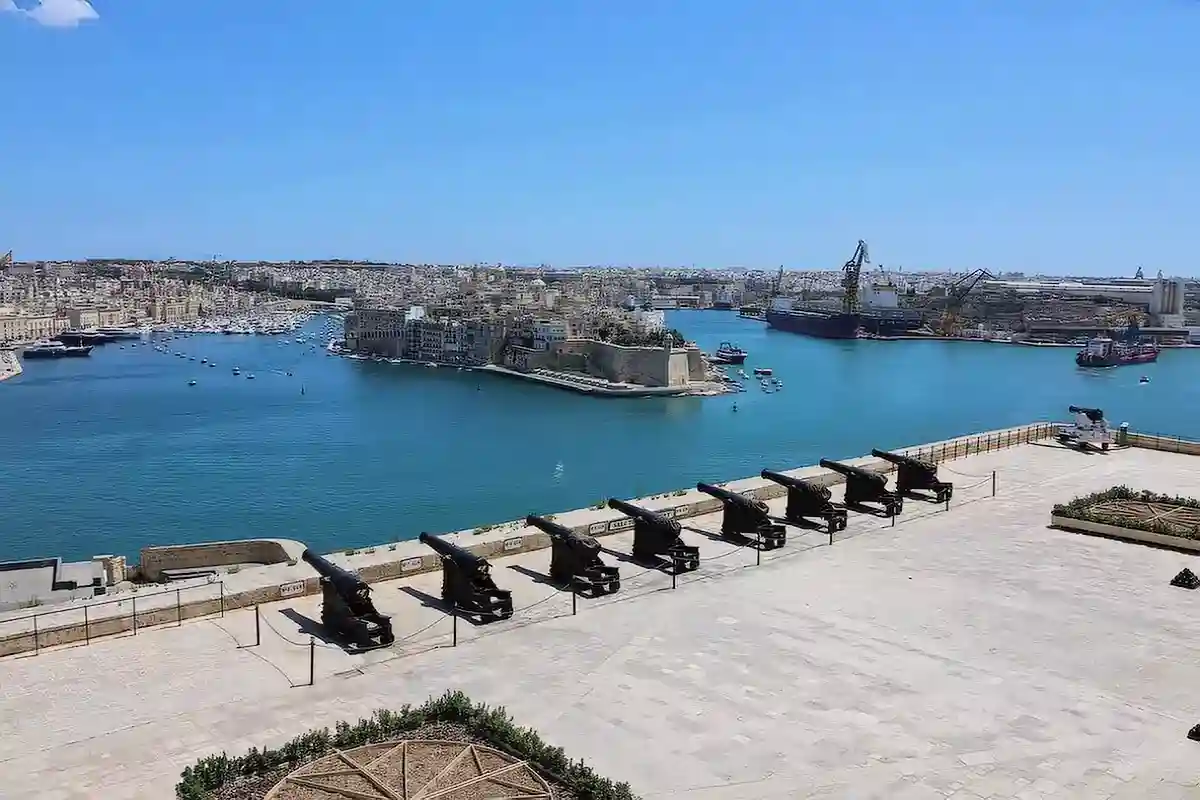
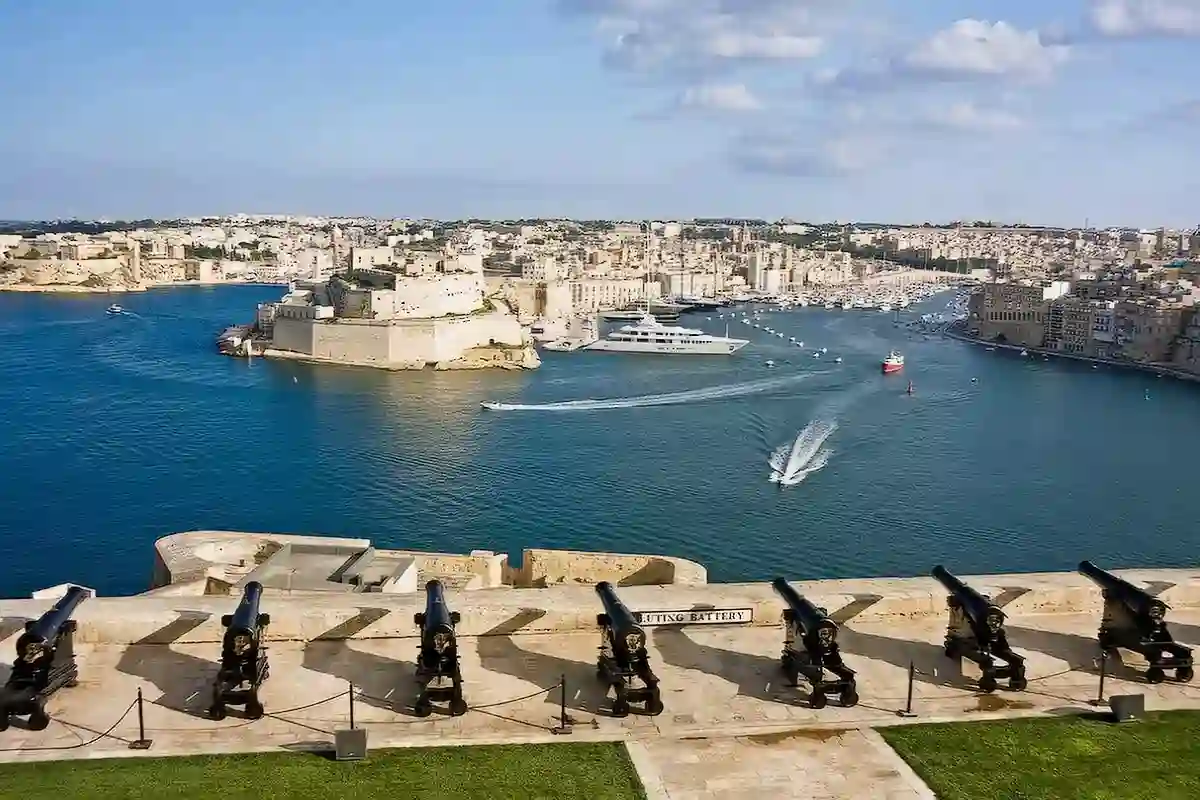
For those already in port, the day is spent ashore. With no sailing planned and no fixed programme, attention turns to the city itself. Valletta is compact and layered. Walking through the old town reveals Baroque façades, narrow streets, and public buildings shaped by centuries of maritime history. Some visit the Grandmaster’s Palace; others pause in the Upper Barrakka Gardens, where the view opens across the Grand Harbour.
The Final Evening
As the day draws to a close, the crews come together one last time in Valletta. The focus is on shared experience rather than programme. Attention briefly turns to the following day, when the prize-giving will formally conclude the regatta before departures begin.
The Day at a Glance
Staggered arrivals in Valletta throughout the day
Time ashore to explore the city
- Closing evening before the prize-giving
2 July, Prize-Giving and Farewell
Thursday
2 July
Prize-Giving Ceremony
The morning brings the prize-giving in Valletta. Crews gather once more, this time not to race, but to reflect on the passage completed together. Results are announced and achievements recognised, marking the official conclusion of the Bailli de Suffren.
Departure Preparations
After the ceremony, attention turns to departure. Personal belongings are packed and final arrangements are completed. Transfers to the airport take place according to individual schedules, marking the transition from harbour to onward travel.
Parting Words from Noblesse Yachts
The team from Noblesse Yachts extends heartfelt thanks for the opportunity to organise this extraordinary journey. Farewell and safe travels. See you next time!
The Day at a Glance
- Prize-giving ceremony in Valletta
- Departures and onward travel
- Farewell and return home
Route: Saint-Tropez → Bonifacio → Trapani → Marettimo → Valletta
Total distance: approx. 630 nautical miles (across all stages)
Duration: approx. two weeks, including offshore passages and harbour stays
Sailing profile: mix of long offshore legs and short tactical stages
Key features: night sailing, multi-day offshore racing, variable conditions
- Focus: seamanship, endurance, tactical decision-making, and teamwork
Embark on a Journey of Discovery
The Trophée Bailli de Suffren - A Nautical Odyssey Across the Mediterranean
In the historic harbour of Saint-Tropez, the Trophée Bailli de Suffren begins. The regatta is dedicated to Pierre-André de Suffren, one of France’s most respected naval officers of the eighteenth century, born in Saint-Tropez and a Bailli of the Order of Malta.
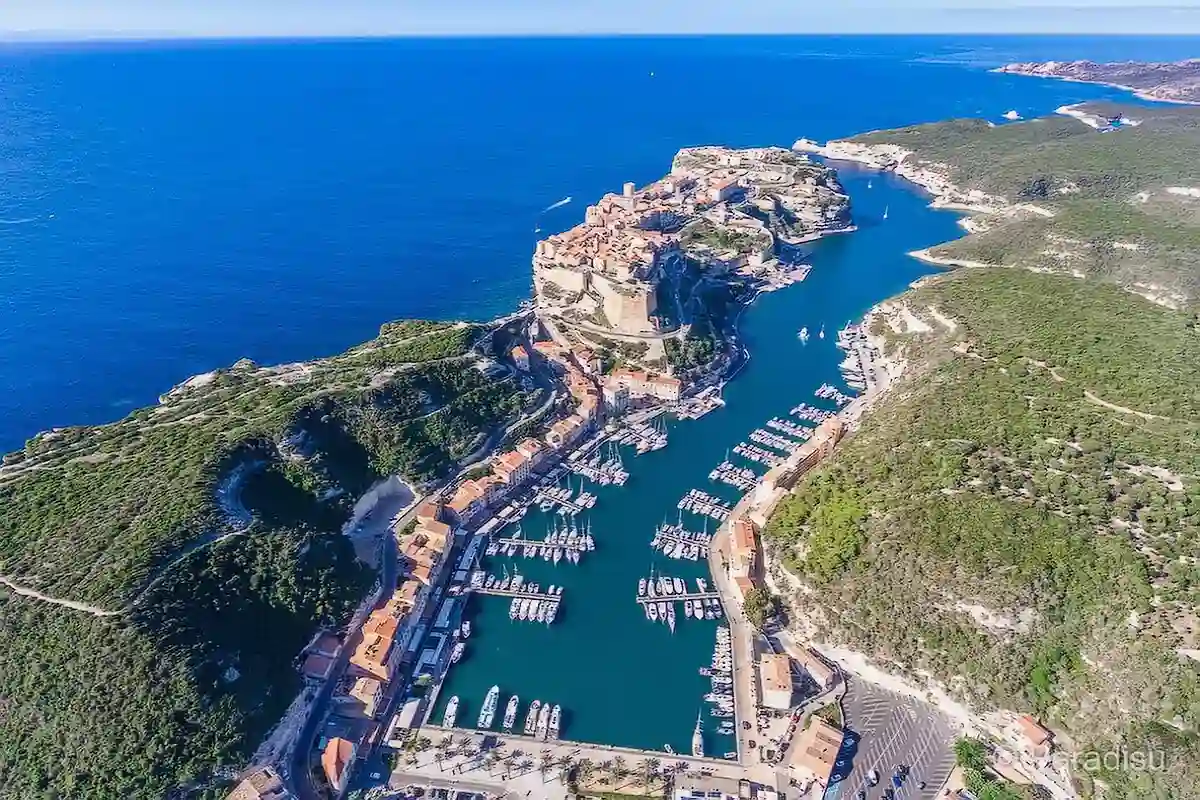
From Saint-Tropez, the fleet heads south to Bonifacio, at the southern tip of Corsica. The approach through its narrow entrance beneath high limestone cliffs offers a striking first landfall after the opening offshore passage.
The route then continues across open water to Trapani on the west coast of Sicily. As a working harbour with a long maritime tradition, Trapani provides a calm stop after the long crossing.
A short and tactical leg follows to Marettimo, one of the Egadi Islands. With its quiet character and sheltered anchorage, the island offers a clear change of pace and forms the final stop before the last offshore passage.
The regatta concludes in Valletta, Malta. Entering the Grand Harbour marks the completion of the route and brings the fleet to a city closely linked to the Order of Malta. Valletta provides the setting for the final classifications and the closing of the competitive programme.
Discover the route step by step in the sections below. Each destination reveals its own atmosphere and role within the regatta – from the first departure in Saint-Tropez to the final arrival in Valletta.
Saint-Tropez, Côte d'Azur
The Nautical Jewel of the French Riviera
Saint-Tropez
Saint-Tropez: A Riviera Gem
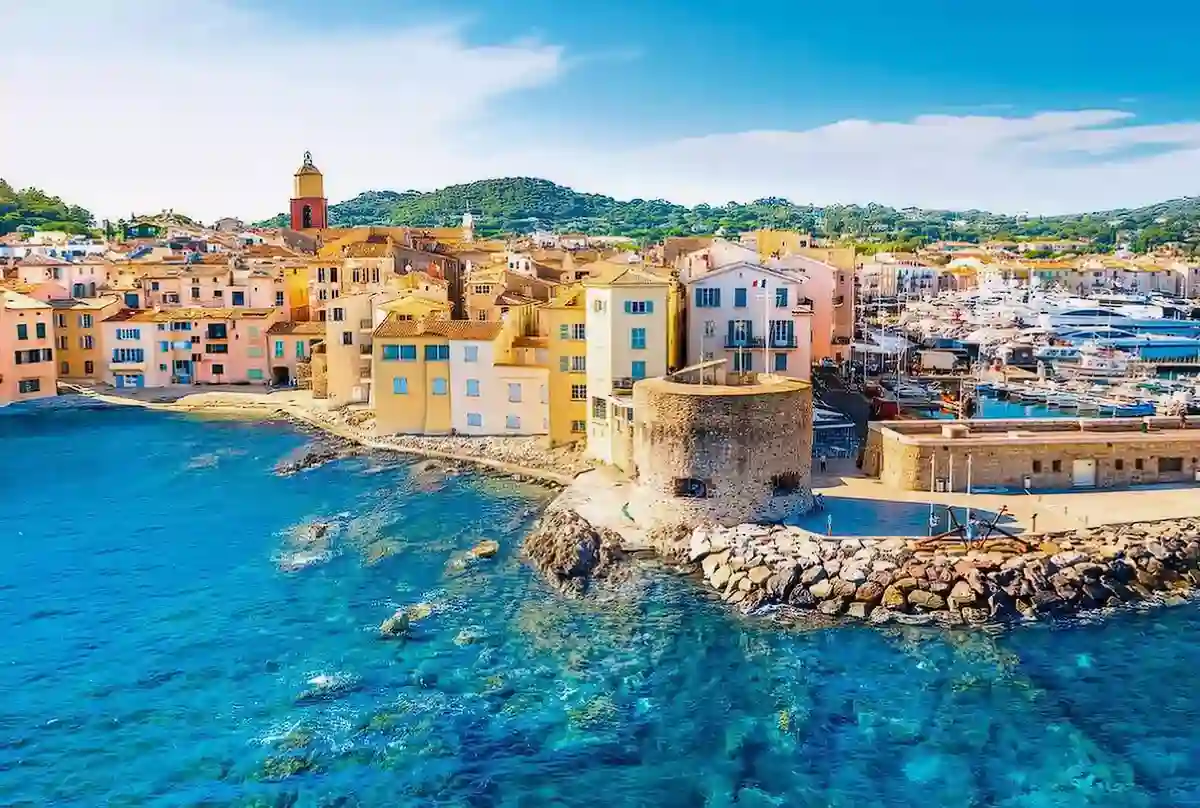
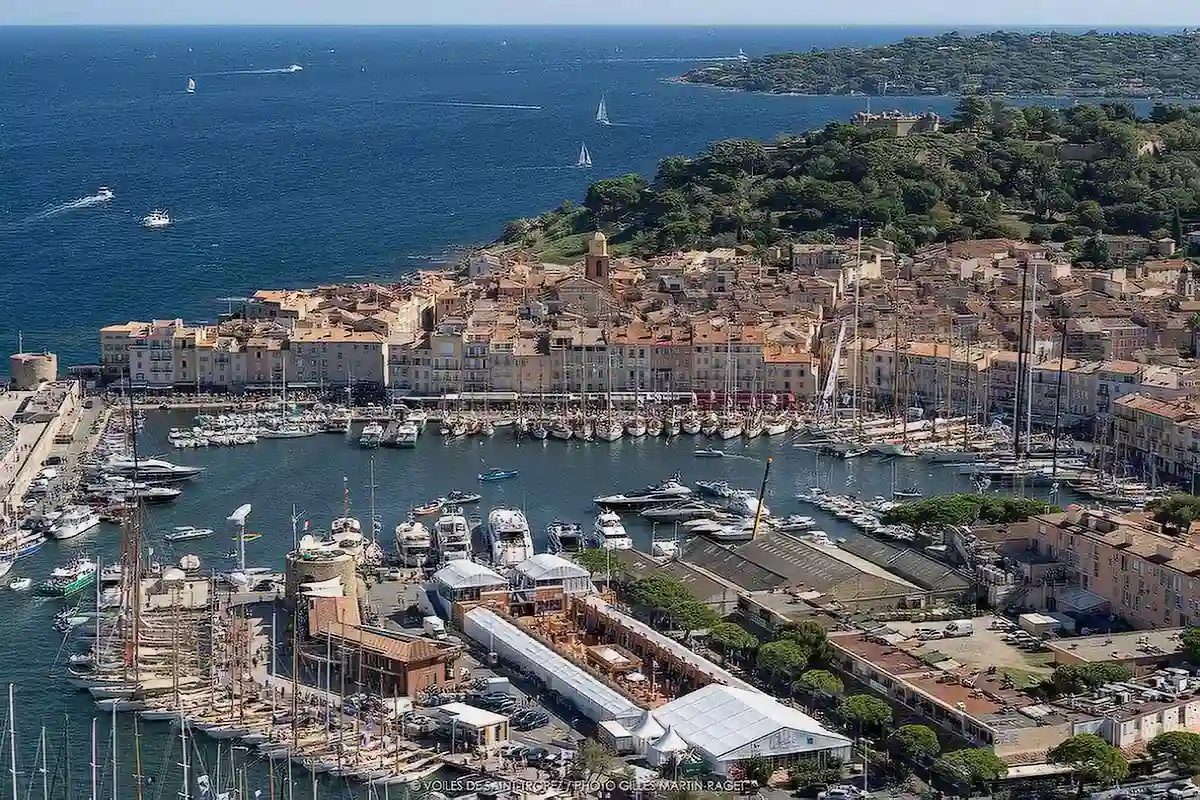
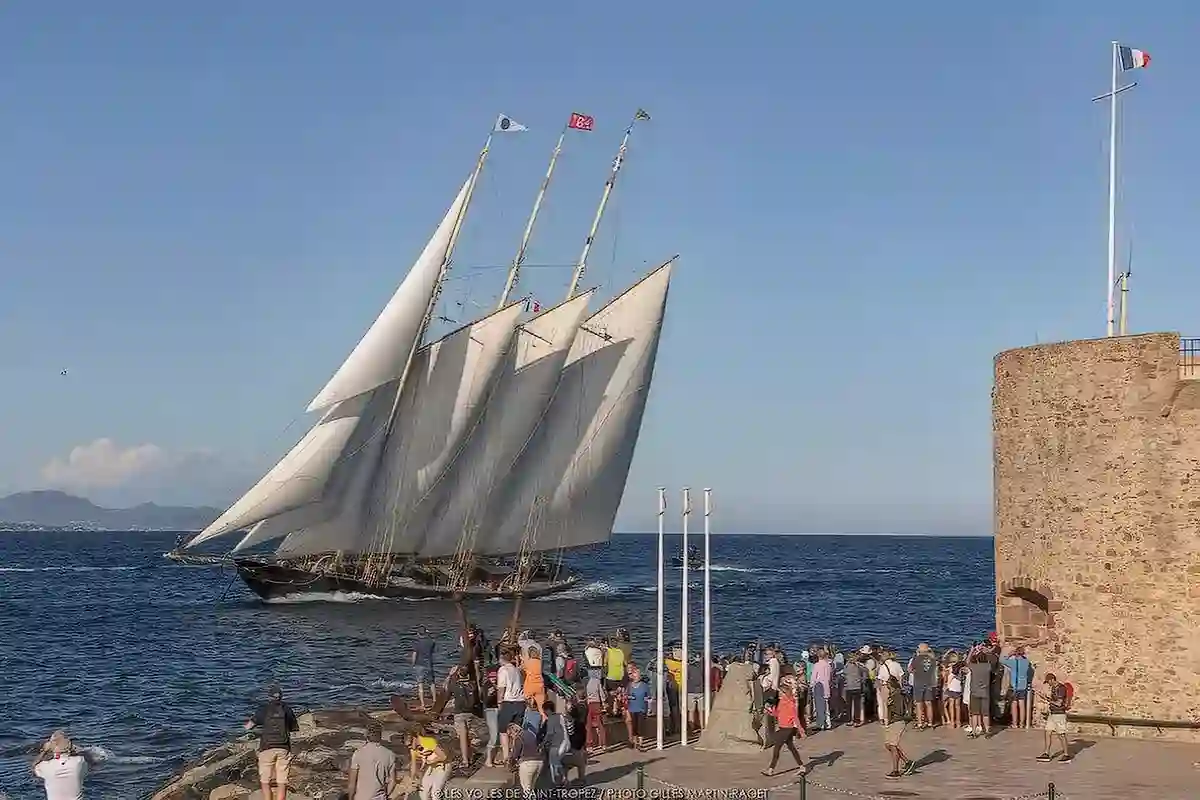
Nestled on the sun-drenched French Riviera, Saint-Tropez is not just a glamorous coastal town; it’s a sailing haven where the heart of the Mediterranean beats to the rhythm of waves and history. As the starting point of the esteemed Bailli de Suffren regatta, it stands as a beacon for sailors and sea lovers from around the globe.
The Transformation of a Fishing Village
Once a humble fishing village, Saint-Tropez has transformed into a symbol of luxury and nautical prestige. Its cobblestone lanes, lined with quaint cafés and boutiques, lead to a vibrant marina brimming with sleek yachts and classic sailboats. Here, the air is perfumed with the salty breeze and resonates with echoes of maritime adventures.
Cultural Richness and Vibrant Nightlife
Beyond its maritime allure, Saint-Tropez boasts a rich cultural tapestry. The town’s history is depicted in its iconic citadel, while its artistic side shines in museums that pay homage to painters like Matisse and Picasso, who found inspiration in its light and landscape. As the sun sets, the town comes alive with unmatched energy, offering elegant dining and lively beach clubs.
Bonifacio, Corsica
THE GATEWAY OF SOUTHERN CORSICA
Bonifacio
A Harbour Carved into the Cliffs
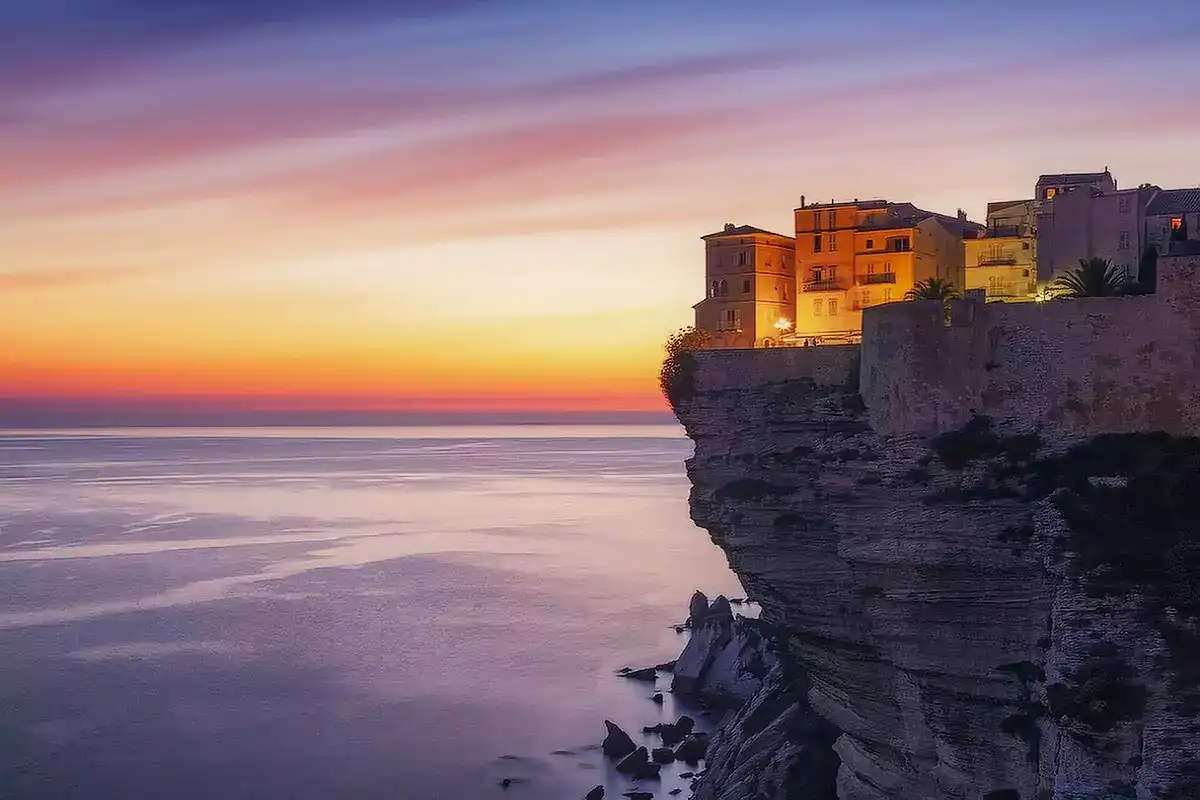
Set at the southern tip of Corsica, Bonifacio offers one of the most memorable arrivals in the Mediterranean. The town rises high above the sea on white limestone cliffs, while the harbour lies hidden deep inside a narrow, fjord-like inlet. For anyone approaching Bonifacio from the water, the entrance between the cliffs is a powerful and unforgettable moment — a natural spectacle that leaves a lasting impression long before the lines are made fast.
A Natural Fortress by the Sea
For centuries, Bonifacio’s geography has shaped its role as a strategic harbour. The steep cliffs and narrow entrance offered protection from wind and conflict alike, making the port a natural stronghold between Corsica and Sardinia. From the water, the contrast is striking: calm, protected moorings below and a compact historic town perched high above, connected by winding streets and steep stairways.
History, Quiet Streets and Island Life
Unlike larger Mediterranean ports, Bonifacio retains a distinctly calm and authentic character. Life unfolds at a slower pace along the quays and in the small squares of the old town. Simple restaurants, local produce and Corsican specialities reflect the island’s strong culinary traditions. For visiting crews, Bonifacio offers more than a stopover — it provides a genuine pause between offshore stages, shaped by landscape, history and everyday island life.
Trapani, Sicily
A Harbour Between Two Seas
Trapani
A Coastal Town Shaped by the Sea
Set on a narrow peninsula on Sicily’s western coast, Trapani lies between two stretches of water, with the Egadi Islands just offshore and Mount Erice rising above the town. This geographical position has shaped Trapani’s character for centuries, making it a natural point of departure and arrival for sailors, traders and travellers moving through the central Mediterranean.
A Living Working Harbour
The harbour of Trapani remains firmly rooted in everyday maritime activity. Fishing boats return in the early morning, ferries connect the mainland with the nearby islands, and service vessels move steadily through the port. Alongside this working rhythm, the town continues its long tradition of salt production in the surrounding salt pans, where shallow basins and windmills still define the coastal landscape.

Everyday Life Along the Waterfront
Away from the quays, narrow streets lead through the historic centre, opening onto small squares, churches and family-run shops. Life follows a simple and unhurried rhythm, shaped by local routines rather than seasonal tourism. Evenings are spent in neighbourhood restaurants, on shaded terraces or along the waterfront promenade.
Marettimo, Egadi Islands
An Island Apart
Marettimo
A Remote Outpost in the Egadi Islands
Marettimo lies at the western edge of the Egadi archipelago, further from the Sicilian mainland than its neighbouring islands. Steep limestone hills rise directly from the sea, shaping a coastline defined by small coves, sea caves and clear, open water. The island has no large harbour infrastructure and no resort developments. Its scale is small, its profile unmistakable, and its connection to the sea immediate and constant.
A Place Shaped by Fishing and the Coast
For generations, life on Marettimo has centred on fishing and the surrounding waters. Small boats line the quays, nets are repaired in the open air and daily routines still follow the rhythm of the sea. The island’s protected marine environment has helped preserve both its coastline and its traditional way of life, giving Marettimo a character that feels quietly resilient and unchanged.
A Slower, Simpler Island Rhythm
The village consists of only a few streets, a handful of cafés and family-run restaurants, and a small waterfront promenade. With no large roads and little traffic, movement on the island remains slow and informal. Evenings are unhurried, often spent outdoors, framed by fading light and open water.
Valetta, Malta
Malta's Timeless Harbor Gem
Valetta
Valletta: Malta’s Historic Capital
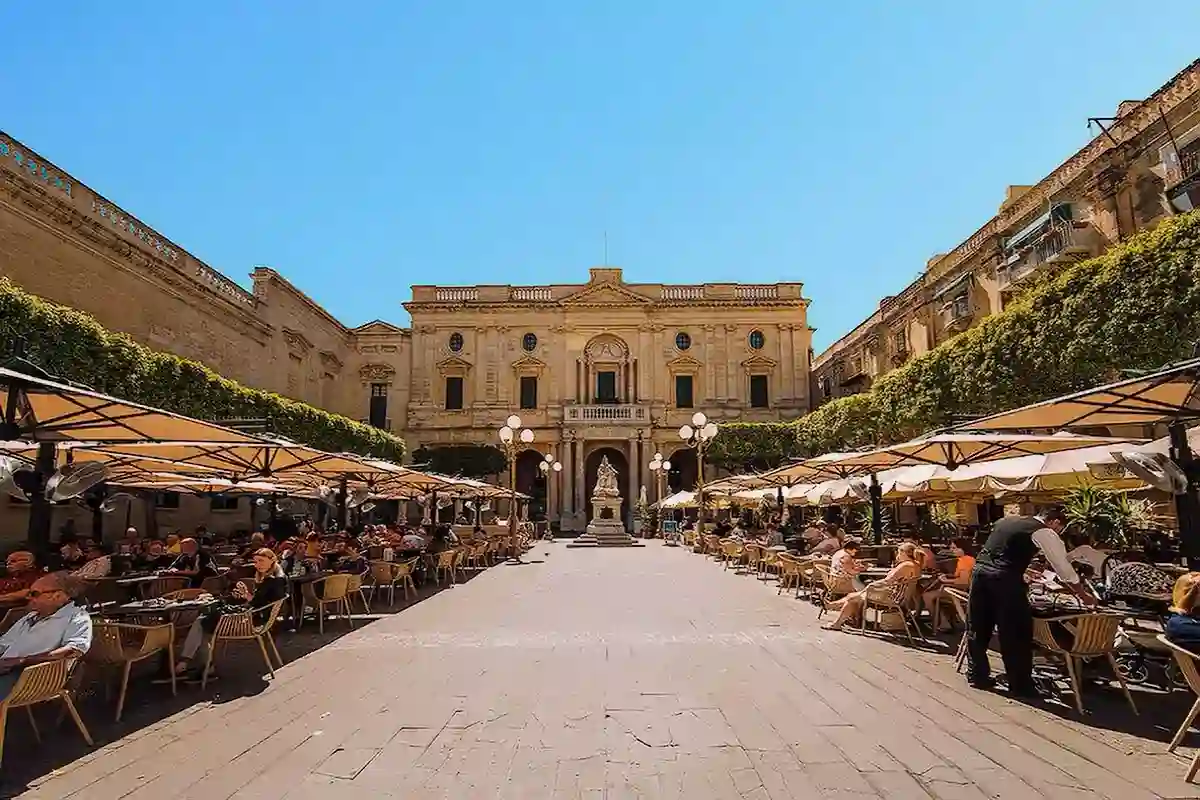
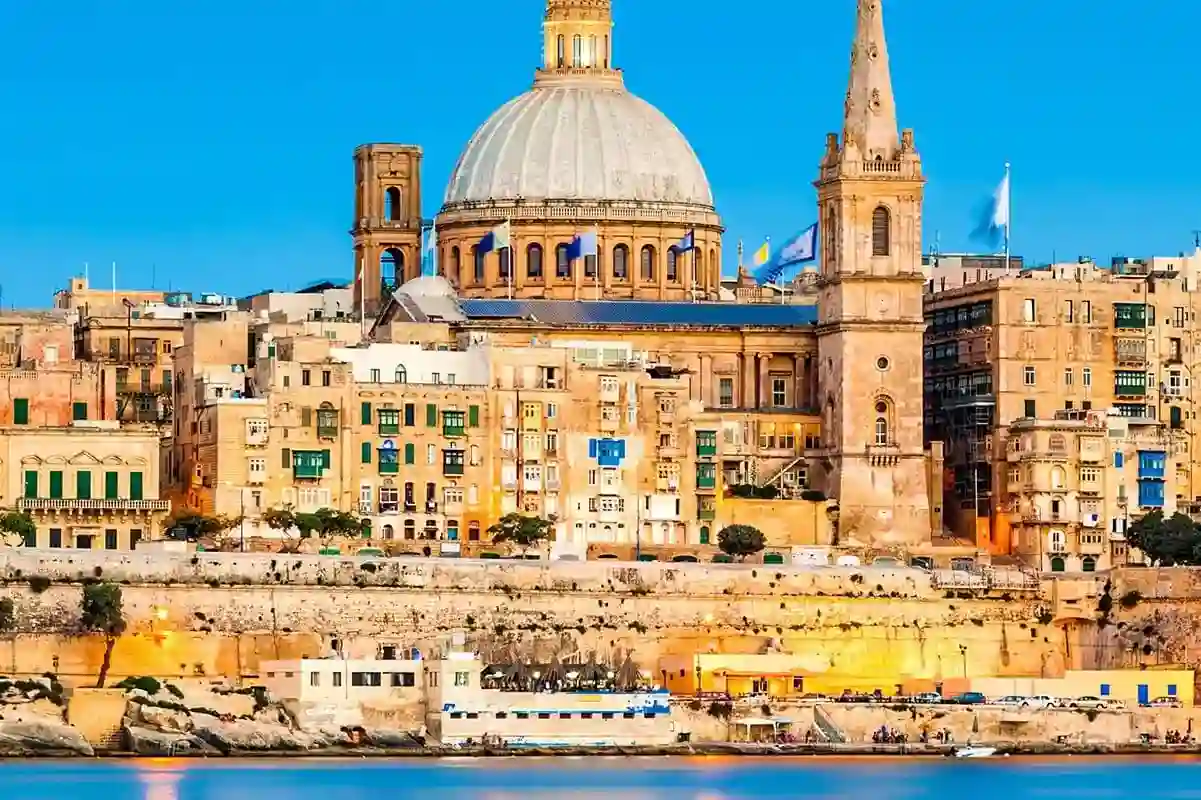
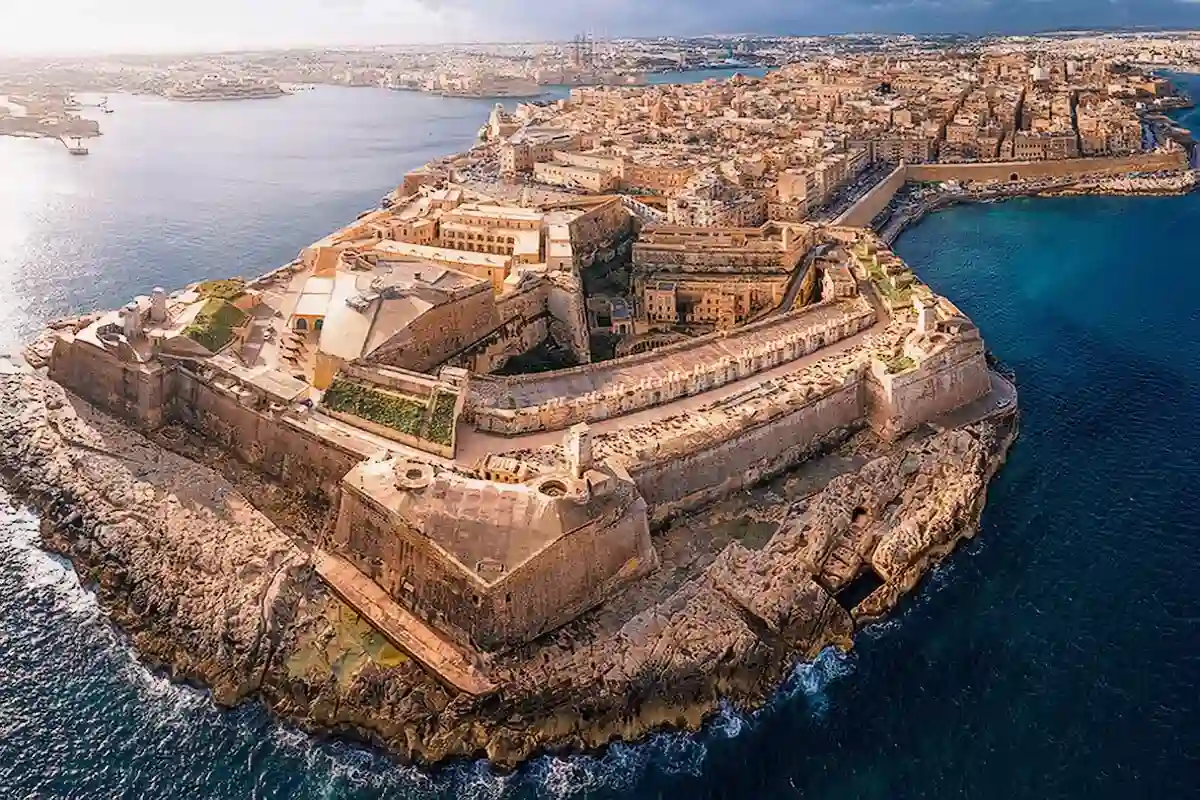
Valletta, Malta’s capital city, is the grand finale of the Trophée Bailli de Suffren. This UNESCO World Heritage Site, renowned for its stunning baroque architecture and deep-rooted history, offers a majestic conclusion to the regatta’s Mediterranean competition.
A Tapestry of Time and Culture
Steeped in history, Valletta is a living museum. Its streets, lined with ancient buildings and fortifications, tell stories of knights, battles, and bygone eras. The city’s strategic location has made it a cultural crossroads over the centuries, resulting in a rich blend of artistic and architectural heritage that captures the essence of the Mediterranean.
A Vibrant and Picturesque Setting
Beyond its historical allure, Valletta is vibrant and picturesque. Its elevated position offers breathtaking views of the Mediterranean and the surrounding islands. The city’s numerous gardens, churches, and squares provide tranquil escapes amidst the urban landscape. With its delightful cafés, exquisite dining experiences, and lively atmosphere, Valletta is not just the endpoint of a race but a celebration of Malta’s spirit and charm.
Trophée bailli de suffren
Book Your Yacht
Secure an exclusive charter of Orianda, the 1937 classic yacht, for a once-in-a-lifetime experience in the legendary regatta. Please note that VAT will be added to the charter cost. At this stage, no payment is required.
After submitting your request, you will receive a reservation confirmation and further information. To secure your reservation, the initial payment will be due once the contract is signed. This step ensures that your chosen event is exclusively reserved for you, and we cease all further booking inquiries and preparations for other potential clients.
Payment Structure:
Initial Payment:
This comprises 50% of the charter fee and the full amount of the Advanced Provisioning Allowance (APA). This payment confirms your booking and enables us to commence the event’s logistical planning, including securing the crew, berth, and arranging for food and beverages.
Final Payment:
The remaining 50% of the charter fee is payable one week before the event commences.
Please be aware that the yacht’s accommodation capacity for the Bailli de Suffren regatta is limited to a maximum of 8 guests across 4 cabins. For larger groups, we offer the flexibility to swap guests, either entirely or individually, after each leg of the journey. Additionally, guests have the option to disembark at any port of call during the regatta, with no obligation to participate in the entire event.